
Heavy and oversized cargo transportation refers to moving goods that cannot be transported using standard shipping methods due to their large size, high weight, or special handling requirements. Choosing the best method for transporting heavy cargo depends on factors such as weight, dimensions, distance, transport infrastructure, and safety conditions.
Although this definition seems simple, selecting the right transportation method is not always easy. Each option has its own advantages, limitations, and operational conditions. A wrong choice can increase transportation costs or even cause damage to the cargo. Below, we explain the most effective methods used for transporting heavy and oversized cargo.
Why Choosing the Right Transport Method Matters
Heavy cargo usually includes industrial machinery, large equipment, steel structures, turbines, construction components, and other oversized materials used in major infrastructure projects. Transporting these loads without proper planning can lead to serious logistical problems.
The main reasons why choosing the correct transport method is important include:
• Preventing cargo damage during transit
• Reducing transportation costs
• Improving safety during loading and unloading
• Shortening delivery time
• Ensuring routes can accommodate oversized cargo
Selecting the appropriate transport solution helps ensure that cargo reaches its destination safely, efficiently, and with minimal risk.
Main Methods for Transporting Heavy and Oversized Cargo
Several transportation methods are commonly used for moving large cargo domestically or internationally. Each method is suitable for different types of shipments and project requirements.
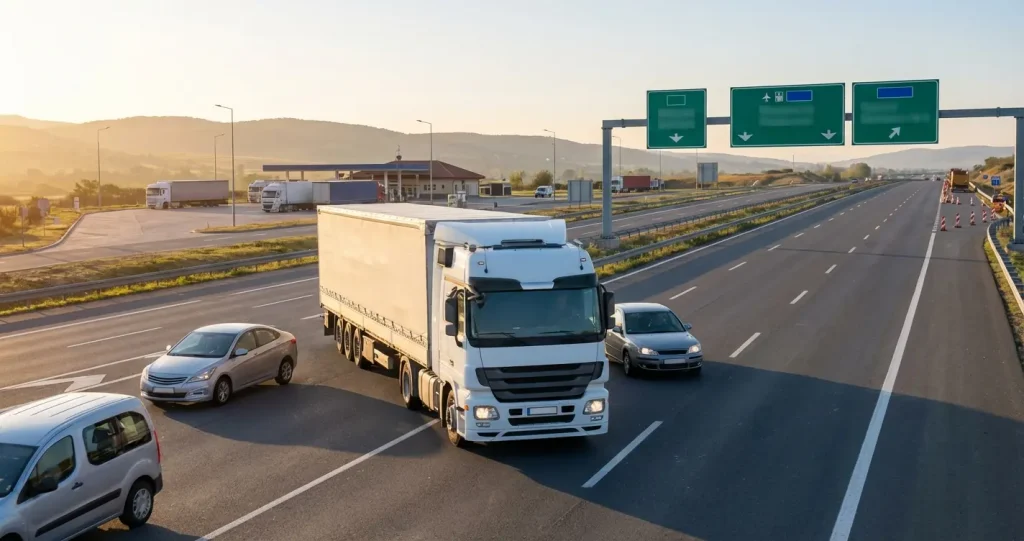
1. Road Transportation with Heavy Trailers
One of the most common ways to handle heavy cargo transportation is through specialized trucks and trailers. These vehicles are specifically designed to carry large and heavy loads across road networks.
Common trailer types include:
• Lowbed trailers
• Multi‑axle trailers
• Modular trailers
• Extendable trailers
This method is most suitable when road infrastructure allows direct transport between the origin and destination.
Advantages:
• Wide accessibility through road networks
• High flexibility in routing
• Possibility of direct delivery to the project site
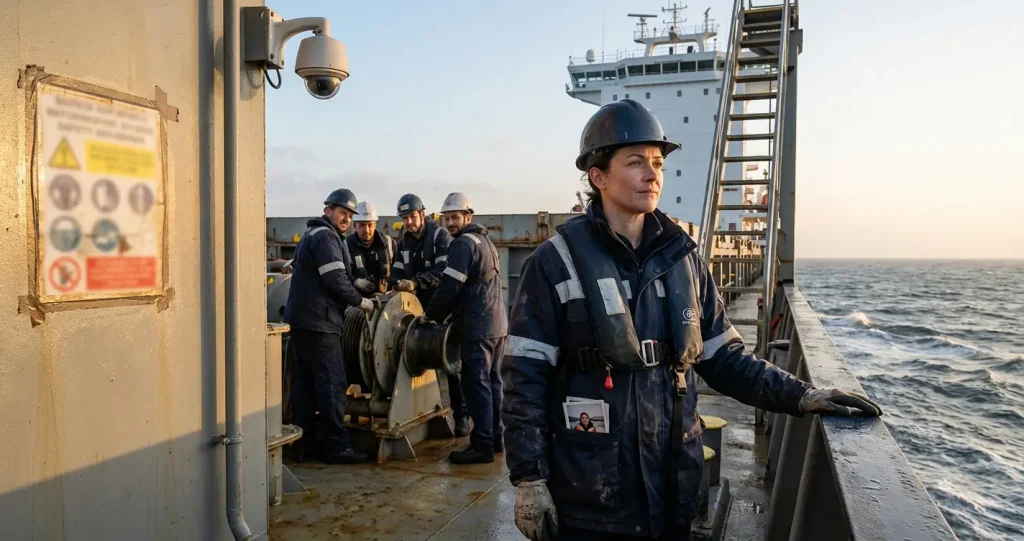
2. Sea Transportation for Extremely Large Cargo
When cargo weight or dimensions become extremely large, sea transport is often the best option. Cargo vessels have very high capacity and are capable of moving large industrial equipment across long international distances.
Typical vessels used include:
• Bulk cargo ships
• Heavy lift vessels
• Project cargo ships
Advantages:
• Very high cargo capacity
• Lower cost for long distances
• Ideal for large industrial projects
However, sea transport usually takes more time compared with other methods.
3. Rail Transportation for Ultra‑Heavy Loads
Rail transport is considered one of the safest methods for moving extremely heavy cargo across long land routes. Trains can carry large weights while maintaining stability and reducing stress on road infrastructure.
Rail transport is commonly used for:
• Industrial machinery
• Power plant equipment
• Mining materials
• Large factory components
One of the main advantages of rail transport is the smooth movement that reduces vibration and improves cargo safety.
4. Air Transportation for Urgent and Sensitive Equipment
In cases where delivery time is critical, air freight can be a suitable solution. Cargo aircraft can transport certain heavy shipments quickly across long distances.
This method is often used for:
• Large medical equipment
• Critical industrial components
• Emergency project supplies
However, air transport is significantly more expensive than other methods and has stricter weight and dimension limitations.
5. Multimodal Transport for Complex Routes
Large international projects often use multimodal transportation, which combines several transportation methods in a single logistics chain.
Example:
• Road transport to the port
• Sea transport to the destination country
• Truck delivery to the final project site
This approach provides greater flexibility and allows cargo to travel through complex international routes efficiently.
6. Specialized Equipment for Heavy Cargo Handling
In many cases, transporting oversized cargo requires more than just selecting a transport method. Specialized handling equipment is also necessary.
Examples include:
• Heavy‑duty cranes
• Multi‑axle transport systems
• Cargo support structures
• Load stabilization equipment
These tools ensure the cargo remains stable and secure during transportation.
7. Project Cargo Transportation
For very large industrial developments such as power plants, refineries, or large construction projects, project cargo transportation is used. This method involves detailed planning and coordination from the beginning of the transport process until final delivery.
Key features include:
• Complete route surveys
• Customized loading plans
• Specialized transport equipment
• Precise delivery scheduling
Project cargo transport is typically used for shipments weighing hundreds of tons.
Comparing Heavy Cargo Transportation Methods
Choosing the right transport method depends on multiple operational factors. Below is a simplified comparison.
Road transport is ideal for short and medium domestic distances with flexible routing.
Sea transport is best for international shipping of extremely large cargo with lower costs.
Rail transport offers high stability and is efficient for long land distances.
Air transport is the fastest option but also the most expensive and capacity‑limited.
Multimodal transport provides flexibility for complex international routes.

Factors That Influence the Choice of Transport Method
Several important factors must be evaluated when selecting the best transport solution.
Cargo Weight and Dimensions
The heavier and larger the cargo, the fewer transport options will be available. Some shipments require specialized transport equipment.
Distance Between Origin and Destination
Road transport is typically used for shorter distances, while sea or rail transport is often more economical for long routes.
Route Conditions
Infrastructure limitations such as bridges, tunnels, and road capacity can affect the transport method selection.
Cargo Sensitivity
Some goods are sensitive to vibration, humidity, or impacts, requiring safer transportation solutions.
Delivery Time
If delivery time is limited, faster methods such as air or multimodal transport may be required.
Common Challenges in Transporting Heavy Cargo
Moving oversized cargo often involves logistical challenges that must be addressed before the operation begins.
Common challenges include:
• Road capacity limitations
• Special transport permits
• Complex loading and unloading operations
• Risk of infrastructure damage
• Detailed route planning
Proper planning helps reduce these challenges and ensures smoother operations.
Read more: 5 Key Principles of Proper Packaging in International Transportation
Safety Tips for Heavy Cargo Transportation
To minimize risks during transport, several safety measures should always be followed.
- Accurately calculate cargo weight and center of gravity
- Use proper load securing equipment
- Select vehicles appropriate for the cargo size
- Carefully plan the transport route
- Work with experienced cargo handling specialists
Following these practices helps ensure safe and efficient cargo delivery.

