
Proper packaging in international transportation is a process designed to protect goods from damage, moisture, pressure, and handling risks during long shipping routes. Since shipments often pass through multiple stages and environments, international transportation requires packaging that ensures safety, stability, and compliance with global standards.
A short definition alone cannot explain why poor packaging is one of the most common causes of cargo damage in global trade. Different shipping methods, cargo types, and environmental conditions all influence how goods should be packed. Ignoring these factors can lead to delays, higher shipping costs, or damaged products upon arrival. In the following sections, we explore the importance of proper packaging and the key standards that help ensure safe and efficient international shipments.
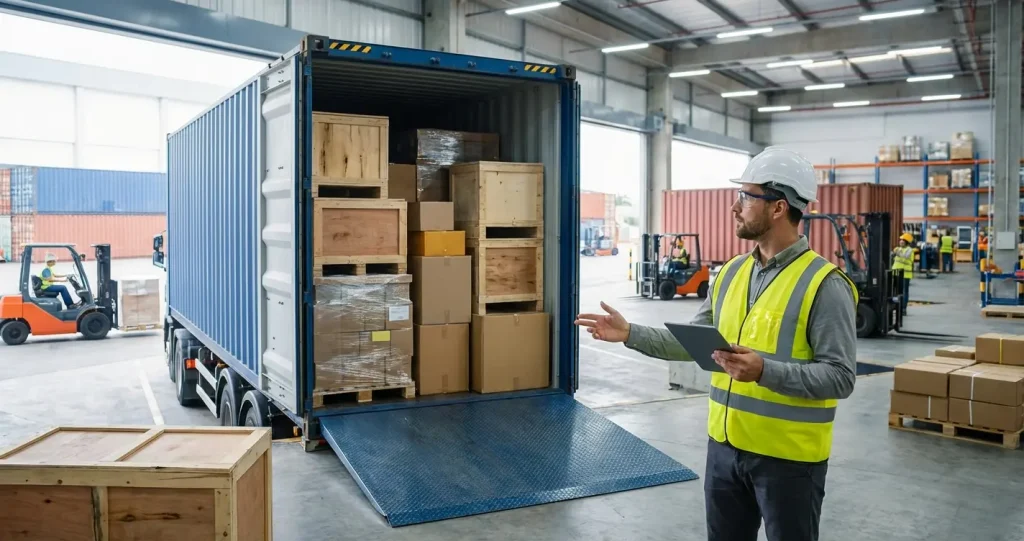
Why Proper Packaging Matters in International Transportation
Protecting Goods During Long Transit
International shipments usually go through several handling stages before reaching their final destination. These stages may include warehouse storage, loading, unloading, customs inspection, and transfer between different transport modes.
During these steps, cargo may be exposed to impacts, stacking pressure, vibrations, or accidental drops. Proper packaging acts as a protective barrier that minimizes these risks and keeps the goods intact throughout the journey.
Compliance With Global Shipping Standards
Many countries require shipments to meet specific packaging and safety standards before they can enter their borders. When packages fail to meet these standards, shipments may face delays, additional inspections, or even rejection.
Standardized packaging makes customs inspections easier and helps ensure that goods move smoothly through international checkpoints.
Reducing Transportation Costs
Packaging also influences the overall cost of shipping. Oversized or inefficient packaging increases the shipment’s volume and weight, which can raise transportation costs—especially in air freight where pricing is often based on dimensional weight.
Efficient packaging reduces unnecessary space and optimizes container loading, helping businesses lower shipping expenses.
Protection Against Environmental Conditions
International shipments travel across different climates and environments. Goods may encounter high humidity at ports, temperature fluctuations during transit, or constant vibrations inside containers.
Sensitive products such as electronics, machinery parts, glassware, and certain food items require packaging that protects them from moisture, corrosion, and mechanical stress.
Common Types of Packaging Used in International Transportation
Wooden Crates
Wooden crates are commonly used for heavy or fragile goods. They provide strong structural protection and can withstand stacking pressure during long-distance transport.
To comply with international shipping regulations, wooden packaging must follow the ISPM‑15 standard to prevent the spread of pests and plant diseases.
Multi‑Layer Corrugated Boxes
Corrugated cardboard boxes are widely used for lighter goods. Multi‑layer cartons provide good protection while remaining cost‑effective and lightweight.
They are commonly used for textiles, consumer goods, small appliances, and spare parts.
Palletized Packaging
Palletizing cargo allows multiple packages to be secured together on a wooden or plastic base. This method improves handling efficiency and reduces the risk of damage during loading and unloading.
Palletized shipments can be easily moved using forklifts or pallet jacks, making logistics operations faster and safer.
Moisture‑Resistant Packaging
Moisture protection is essential for shipments traveling through humid environments such as seaports. Plastic wraps, sealed liners, and protective covers help prevent water penetration.
These materials are especially important for electronic equipment and metal components that may corrode in humid conditions.
Metal Containers or Cases
Metal packaging is used for extremely valuable or heavy industrial equipment. These cases provide maximum durability and protection against impacts, pressure, and harsh transportation conditions.

Key Characteristics of Standard International Packaging
A reliable international packaging system typically follows several essential principles.
First, the packaging must be strong enough to withstand stacking pressure and handling stress. In many shipping containers, packages are stacked on top of each other, which means weak packaging can collapse under weight.
Second, the packaging size should be optimized. Oversized packages waste container space and increase freight costs. Efficient dimensions help maximize container capacity and reduce shipping expenses.
Third, internal protection is crucial. Materials such as foam inserts, cushioning pads, separators, and protective wraps prevent movement inside the package and reduce the risk of breakage.
Fourth, proper labeling ensures safe handling. Packages should clearly display handling instructions, weight information, and orientation labels to prevent incorrect loading.
Finally, high‑quality packaging materials should always be used. Low‑quality cartons or weak wooden crates can fail under pressure or moisture exposure during long journeys.
How Transportation Mode Affects Packaging
Different shipping methods require different packaging strategies.
Sea freight typically involves long transit times and exposure to high humidity. Therefore, durable wooden crates combined with moisture protection are commonly recommended.
Air freight prioritizes weight efficiency because shipping costs are calculated based on weight and volume. Lightweight yet strong packaging such as reinforced cartons with protective foam is often the best option.
Ground transportation, including trucking, exposes cargo to frequent vibrations and road shocks. Strong internal cushioning and palletized packaging help reduce these risks.

Common Packaging Mistakes in International Shipping
Many shipping damages occur not because of transport conditions but because of packaging errors.
One common mistake is using oversized packages that allow goods to move inside the box. Excess movement increases the likelihood of breakage.
Another mistake is using weak cartons that cannot handle stacking pressure or humidity. These cartons may collapse during transit.
Improper labeling is another frequent issue. Without clear instructions such as “fragile” or “this side up,” cargo handlers may move the package incorrectly.
Finally, failing to test packaging durability before shipment can lead to costly losses. Simple drop and vibration tests can help ensure that packaging can withstand real transportation conditions.
Read more: 7 Key Ground Transportation Company Services
Final Thoughts on International Transportation Packaging
Proper packaging in international transportation plays a critical role in protecting goods, reducing damage risks, and ensuring smooth logistics operations. By using strong materials, optimizing package dimensions, and following international standards, businesses can significantly improve the safety and efficiency of global shipments.
Investing in professional packaging practices not only protects products but also helps reduce transportation costs and avoid delays during customs inspections.

