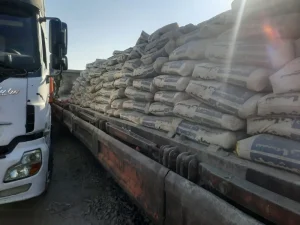
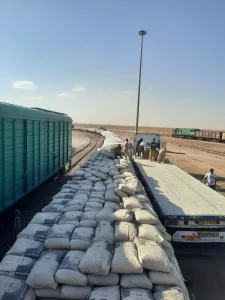
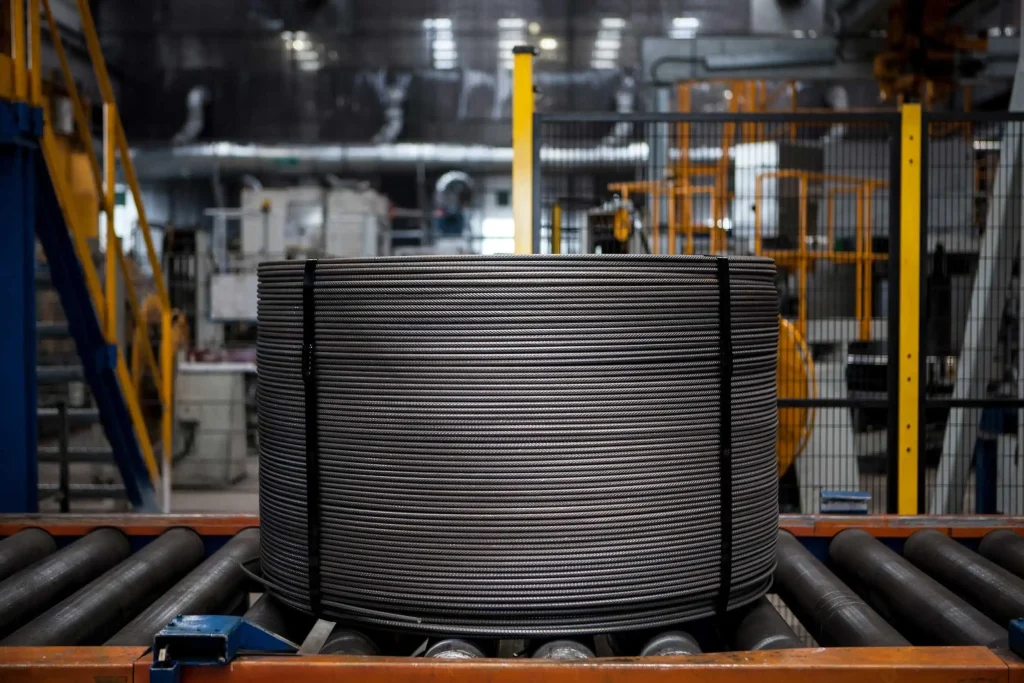
Transportation of coil rebar is one of the most challenging aspects of logistics in the steel industry. Imagine driving alongside a massive truck carrying a single heavy coil of rebar. As you can imagine, the weight and shape of this product make handling it a complex and high-risk task.
Even a small mistake in transportation of coil rebar including packaging, load securing, or route selection can lead to delays, damage, or additional costs. Professional logistics companies face these challenges daily, and their success in transportation of coil rebar relies on meticulous planning, specialized equipment, and comprehensive logistics knowledge.
This article explores all aspects of transportation of coil rebar — from packaging and vehicle selection to transport routes and the role of modern technologies — so that you can fully understand this critical process.
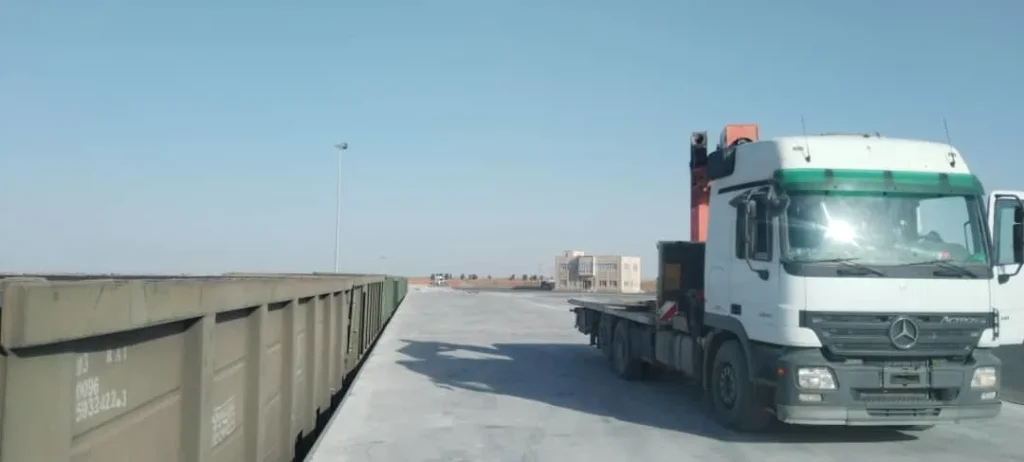
The Importance of Logistics in Coil Rebar Transportation
Choosing the appropriate method in transportation of coil rebar, the right type of vehicle, precise delivery scheduling, and coordination with other parts of the supply chain directly affect project success.
Adhering to safety guidelines and standards is particularly important, as any damage or delay can increase costs and reduce project quality. Conversely, smart logistics and meticulous planning not only reduce expenses but also ensure customer satisfaction and increase overall project efficiency.
Packaging and Preparation of Coil Rebar
One of the most critical steps in coil rebar logistics is proper packaging. Using waterproof plastics and protective coverings resistant to moisture and dust prevents rusting and damage during transportation of coil rebar.
Initial packaging must ensure that transportation of coil rebar can be done along the entire route with minimal risk. Observing these measures not only preserves product quality but also reduces maintenance costs and prevents potential transport losses.
Selecting the Appropriate Vehicle
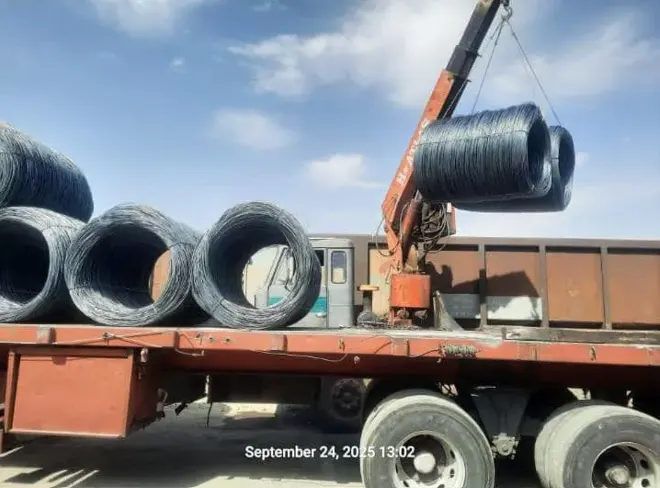
The choice of vehicle in transportation of coil rebar depends on the weight and volume of the coil. For short distances, standard trucks may suffice, while heavier loads require heavy-duty trailers or high-capacity trucks.
These vehicles must be equipped with proper load securing devices, such as steel chains and heavy-duty straps, to prevent
unintentional movement of the coils. Following these precautions prevents road accidents and keeps the logistics flow uninterrupted. In addition, scheduling driver shifts and rest periods is a key principle in the safe management of coil rebar transport.
Road Transport Routes
Road transport is the most common method, especially for domestic projects. Drivers must be familiar with traffic regulations and road conditions, and they should use roads with low gradients and good surface quality to maintain coil balance.
Inspecting roads before departure, anticipating traffic, and planning precise schedules are crucial steps to reduce delivery times and control operational costs.
Transporting by wagon
For long distances, transporting by wagon is an economical and efficient option for moving coil rebar. It allows the transportation of multiple tons simultaneously while reducing the risk of damage or delays.
Coils are loaded onto specialized rail wagons and transported to their destination. Precise coordination with stations and train schedules is essential to minimize operational costs and enhance safety.
Maritime Transport
For exports, maritime transport is an effective method. Coils are placed in large, sealed containers and shipped via cargo vessels.
Sea moisture and weather conditions can cause rebar oxidation; therefore, rust-proof coatings and durable containers are
essential. Cargo insurance is also critical to cover potential financial losses. Precise scheduling of loading and unloading is necessary to mitigate risks during maritime transport.
Safety in Coil Rebar Transportation
Safety is a fundamental principle in coil rebar logistics. Training drivers and operators, using appropriate cranes for loading, and daily inspection of equipment and load securing significantly reduce accident risks.
Regular checklists to monitor vehicle condition and load stability are essential to maintain safety and product quality. Emergency protocols must be implemented promptly to ensure uninterrupted logistics operations.
Role of Technology in Logistics Optimization
Technology plays a key role in optimizing coil rebar logistics. GPS allows real-time cargo tracking, enabling managers to plan optimal routes.
The Internet of Things (IoT), with sensors for temperature and vibration on the coils, provides precise, real-time data and issues alerts in unsafe conditions. Leveraging these technologies increases logistics efficiency, reduces costs, and improves delivery scheduling.
Challenges and Supply Chain Management
Coil rebar logistics faces multiple challenges, including fuel and maintenance costs, environmental concerns, and potential route delays.
Using electric vehicles and clean fuels, developing supply chain management software, and coordinating among manufacturers, transporters, and consumers are effective solutions to mitigate these issues. Any delay at any stage through transportation of coil rebar can disrupt the entire logistics chain, making careful planning and continuous monitoring essential.
The Future of Coil Rebar Logistics
With technological advancements, coil rebar logistics is moving toward faster, safer, and more sustainable processes. Artificial intelligence, big data analytics, and the development of rail and road infrastructure optimize routes and reduce costs.
Emphasizing innovation and adopting modern technologies guides coil rebar logistics toward an efficient, reliable, and sustainable process.
Conclusion
Transportation of coil rebar, as a key construction material, requires intelligent and safe logistics. Observing safety measures, selecting appropriate transport methods, utilizing modern technologies, and coordinating all stakeholders ensures timely delivery and high product quality. Success in coil rebar logistics depends on precise planning, resource management, and collaboration among all parties involved.