
In today’s world, where global trade is rapidly expanding, logistics management plays a vital role in the success of organizations. Logistics management, as a comprehensive process, involves planning, implementing, and controlling the flow of materials and information from the point of origin to the final destination.
This field not only helps optimize costs but also enhances operational efficiency and ensures customer satisfaction. This article provides an overview of the key activities in logistics management to give a better understanding of the importance of this discipline.

The Importance of Logistics Management in Modern Businesses
Logistics management goes beyond simple transportation and encompasses the entire supply chain. In the digital era, companies need effective logistics management to remain competitive. It helps reduce delivery times, control inventory, and manage risks. Without efficient logistics management, even the best products may lose their market due to delays or high costs.
A key aspect of this field is coordination among suppliers, manufacturers, and distributors. This coordination ensures that goods reach consumers on time and in the proper condition. In various industries, including retail and manufacturing, these activities are considered the backbone of operations.
Planning in Logistics Management
The first activity in logistics management is planning. This stage includes demand forecasting, determining transportation routes, and allocating resources. Logistics managers use advanced software tools and optimization models for this purpose. Accurate planning can reduce unnecessary costs and improve efficiency.
In logistics management, planning must be flexible to adapt to market changes. For instance, during peak seasons, managers must anticipate additional capacity. This foundational activity supports all other aspects of logistics, and without it, operations are difficult to execute effectively.
Transportation as the Core of the Logistics System
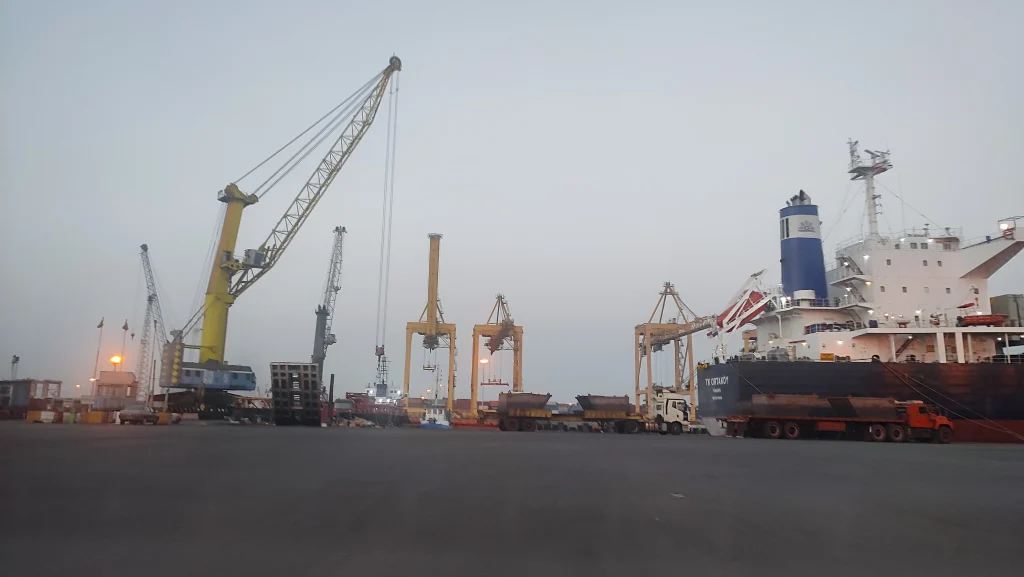
Transportation is one of the main activities of a logistics system. Choosing the appropriate mode of transport—road, sea, air, or rail—depends on the type of goods and distance. Optimizing routes and selecting the right fleet can lead to significant cost savings.
Logistics management in transportation includes supervising loading, tracking shipments, and managing delays. Using GPS and IoT technologies, managers can monitor the real-time location of goods. This not only increases security but also provides transparency throughout the logistics system.
In specific cases, such as transporting dangerous goods, logistics systems must comply with special safety standards to minimize risks. This activity is crucial because inefficient transportation can disrupt the entire supply chain.
Warehousing and Inventory Management in Logistics
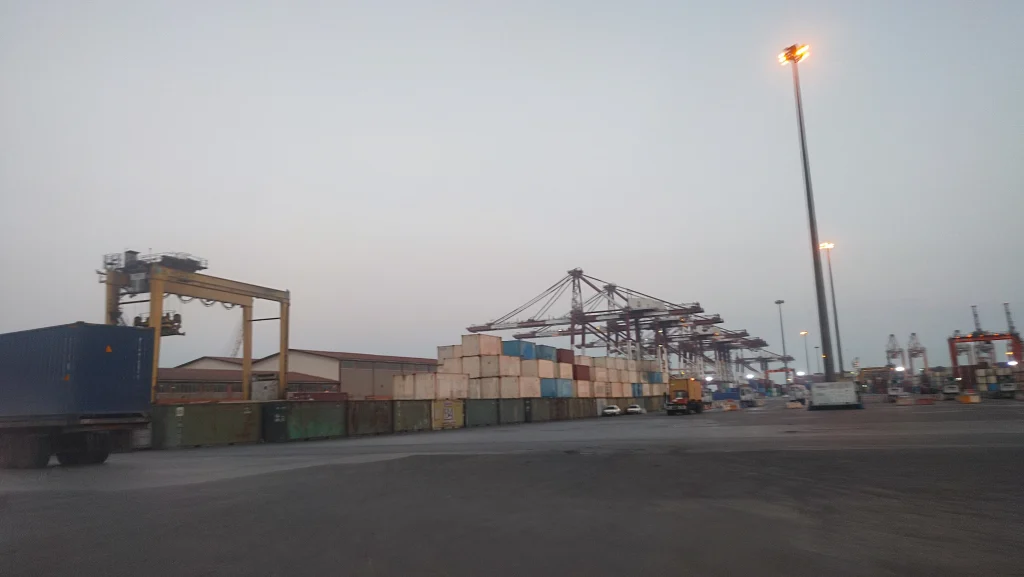
Warehousing is an integral part of the logistics system. It involves storing goods, organizing space, and controlling inflow and outflow. In logistics management, smart warehousing systems such as RFID and automation enhance accuracy and speed.
Inventory management is a major focus within logistics. Using forecasting models, managers can optimize inventory levels to avoid shortages or surpluses. This balance reduces holding costs and improves cash flow.
Warehousing activities in logistics include sorting, packaging, and labeling. These steps ensure goods are ready for distribution and maintain their quality.
Distribution and Delivery in Logistics Management
Distribution is the final stage of the logistics system, delivering goods to customers. It includes planning the distribution network, selecting distribution centers, and managing last-mile delivery. In logistics, fast and accurate delivery is key to customer satisfaction.
With the growth of e-commerce, logistics management in distribution must adapt to high demand for same-day delivery. Managers use optimization algorithms to minimize time and cost. This activity directly affects customer loyalty.
Innovative Technologies in Logistics Management
Technology plays a transformative role in logistics planning and execution. Artificial intelligence and machine learning are used for demand forecasting and route optimization. Blockchain increases supply chain transparency and simplifies tracking in logistics systems.
The Internet of Things (IoT) helps monitor transport conditions, such as temperature and humidity, during logistics operations. These technologies not only enhance efficiency but also promote environmental sustainability.
Challenges in Logistics Management
Despite advancements, logistics management faces challenges. Market fluctuations, geopolitical issues, and climate changes can disrupt operations. Logistics managers must develop flexible strategies to address these challenges.
Labor shortages and rising fuel costs also impact logistics management. Addressing these issues requires continuous innovation in logistics processes.
Sustainability in Logistics Management
Sustainability is a growing trend in this field. Companies are moving toward green transportation and recyclable packaging. In corporate logistics, reducing carbon emissions and optimizing energy consumption are priorities.
This approach not only benefits the environment but also improves brand image. Sustainable corporate logistics can provide a competitive advantage.

Training and Development in Corporate Logistics
Continuous training is essential for success in corporate logistics. Managers need to stay updated on new technologies and regulations. Training programs in logistics management strengthen analytical and leadership skills. Ultimately, logistics management is a dynamic field that requires lifelong learning.
Conclusion
Logistics management is the heartbeat of modern business. From planning to distribution, every activity in this field contributes to overall efficiency. By focusing on technology, sustainability, and innovation, organizations can leverage corporate logistics to achieve their goals. Understanding logistics control activities is key to success in today’s competitive world.

