
Women’s employability in the maritime industry refers to the conditions, skills, and opportunities that enable women to enter and build careers in maritime professions. Despite the growth of maritime education and training, many female seafarers still face structural and social challenges that make career entry and advancement more difficult.
Although women’s participation has increased in many industries, the maritime workplace has not yet fully adapted to female workforce participation. From cultural barriers to the unique lifestyle of working at sea, several factors can make maritime careers more complex for women. In the following sections, we explore women’s employability in the maritime industry and the four main challenges female seafarers often face.
What Does Women’s Employability in the Maritime Industry Mean?
Employability in the maritime sector refers to an individual’s ability to enter, maintain, and advance in maritime-related jobs such as shipping operations, vessel management, and port services. For female seafarers, employability also involves adapting to the unique lifestyle and environment associated with working at sea.
Maritime professions typically include roles on commercial ships, tankers, passenger vessels, and offshore support vessels. These work environments differ significantly from many land-based professions.
Some of the defining characteristics of maritime work include:
• Long periods at sea
• Limited living and working space
• Intensive shift schedules
• Extended time away from family
These characteristics make the topic of women working at sea an important subject that requires consideration from social, organizational, and professional perspectives.
The Current Status of Women in the Maritime Industry
In recent decades, the number of women entering maritime careers has gradually increased. However, their overall participation remains significantly lower compared with men.
Many women in the maritime sector work in shore‑based positions such as port administration, maritime education, logistics management, or regulatory roles. The number of women serving onboard vessels is still relatively limited. This situation largely results from a combination of structural limitations and the demanding conditions of maritime work.
The table below presents a general overview of women’s participation across different maritime sectors.
| Maritime Sector | Level of Women’s Participation | Description |
|---|---|---|
| Commercial Shipping | Low | Limited presence due to demanding onboard conditions |
| Passenger Vessels | Moderate | Working environment may be more adaptable |
| Port Operations | Moderate to High | Wider range of employment opportunities |
| Maritime Education & Management | Increasing | Growing participation of women |
These differences suggest that women’s employability in the maritime industry is strongly influenced by workplace conditions and institutional policies.
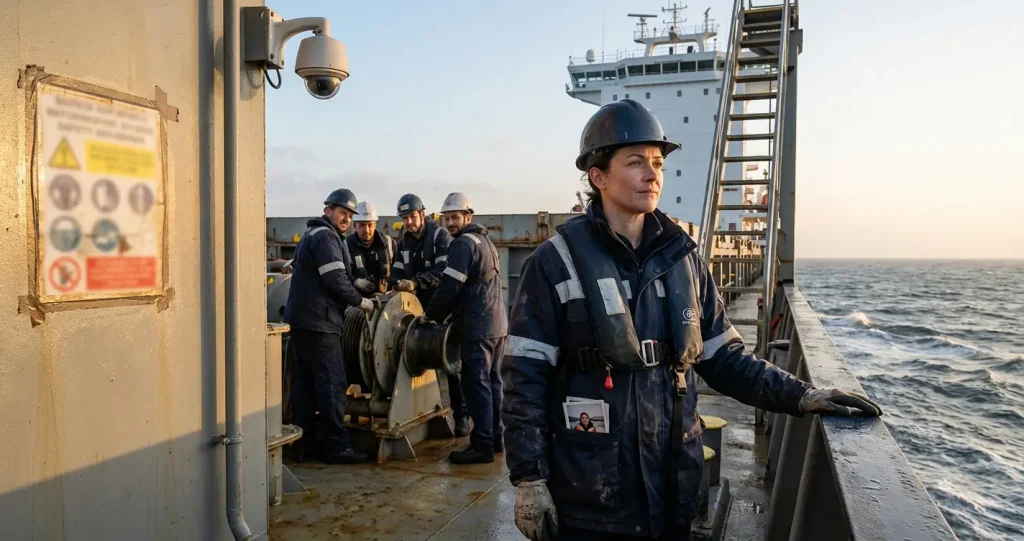
Four Major Challenges Facing Female Seafarers
1. Cultural Barriers and Traditional Perceptions
One of the most significant barriers to women’s employment in the maritime sector is traditional perceptions regarding gender roles in certain professions. In many regions, seafaring is still widely viewed as a male‑dominated occupation.
These perceptions can affect various stages of a woman’s career path, including:
• Recruitment by shipping companies
• Promotion opportunities
• Professional interactions within crews
In some cases, female seafarers may need to demonstrate their abilities more strongly to gain the same level of recognition as their male counterparts. This situation can lead to additional professional pressure.
2. Unique Working Conditions Onboard Ships
Life at sea differs greatly from most other occupations. Limited space, long shifts, and extended contracts can be challenging for anyone. However, these conditions may create additional complexities for female seafarers.
Some issues related to the maritime work environment include:
• Limited accommodation facilities designed for women
• Lack of appropriate onboard infrastructure on certain vessels
• The need to maintain privacy in shared living spaces
Many ships were originally designed with male crews in mind. As a result, some vessels may not fully provide facilities that adequately support mixed‑gender crews.
3. Limited Employment and Career Advancement Opportunities
Another challenge affecting women’s maritime careers is the limited number of hiring opportunities in some segments of the industry. Certain shipping companies still prefer employing male crew members.
This preference may be influenced by several factors:
• Concerns about onboard accommodation arrangements
• Lack of established diversity policies
• Limited experience managing mixed‑gender crews
Additionally, some women may encounter slower career progression compared with male colleagues. Achieving senior positions such as chief officer or captain may take longer in certain cases.
4. Work–Life Balance Challenges
Spending long periods away from home is a defining aspect of maritime professions. While this affects all seafarers, it can sometimes create greater challenges for women.
In many societies, women often carry greater responsibilities related to family management. As a result, maintaining work–life balance may become more difficult for female seafarers.
Common challenges include:
• Being away from family for several months
• Difficulty planning long‑term personal commitments
• Social expectations regarding family roles
These factors can influence both the decision to enter maritime careers and the ability to remain in the profession long term.
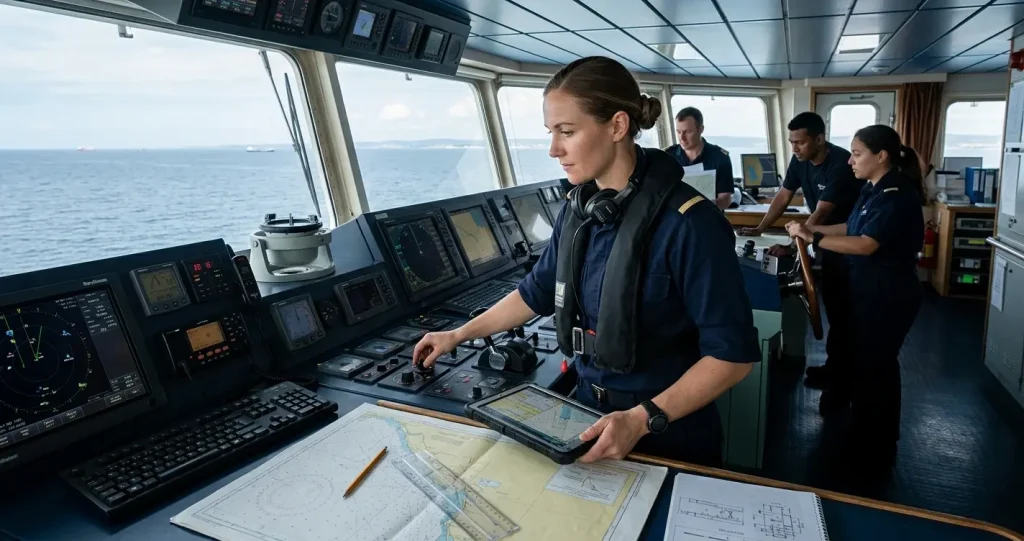
Key Skills for Women to Succeed in the Maritime Industry
Despite these challenges, many women have successfully built careers in the maritime sector. One of the main reasons behind their success is the development of strong professional competencies and personal resilience.
Some of the most important skills include the following.
Technical Maritime Skills
Working onboard vessels requires specialized maritime knowledge and training. These competencies often include:
• Navigation and ship handling
• Maritime safety procedures
• Operational management of vessels
Such skills are typically acquired through maritime academies and specialized training programs.
Communication Skills
Life onboard a vessel requires constant interaction with crew members from diverse backgrounds. Therefore, effective communication plays a vital role in professional success.
Team collaboration, conflict management, and professional communication are particularly important for female seafarers working in multicultural environments.
Resilience and Adaptability
Working at sea involves unpredictable conditions and challenging environments. Therefore, strong personal resilience is essential for maritime professionals.
For female seafarers, the ability to adapt to demanding work environments can help overcome many of the challenges associated with maritime careers.
Strategies to Improve Women’s Employability in the Maritime Sector
Increasing women’s participation in maritime professions requires improvements at both organizational and educational levels. Several initiatives can help strengthen career opportunities for women in this sector.
Development of Supportive Policies
Shipping companies can improve workplace inclusivity by implementing policies that support female employees.
Examples include:
• Providing appropriate onboard accommodation facilities
• Establishing professional conduct guidelines
• Supporting equal career advancement opportunities
Such measures can contribute to a safer and more inclusive work environment.
Education and Professional Development
Training and education play a crucial role in strengthening women’s employability. Specialized programs can help women develop the technical and professional skills required in maritime careers.
Awareness of different maritime career paths can also encourage more women to pursue opportunities in this field.
Creating Role Models
Successful female professionals in the maritime industry can help change perceptions and inspire future generations.
Highlighting the experiences and achievements of women seafarers can encourage students and young professionals to consider maritime careers.
The Future of Women in the Maritime Industry
As global attention to equal employment opportunities continues to grow, the participation of women in maritime professions is also expected to increase.
Technological advancements, evolving social attitudes, and expanded maritime education programs may strengthen women’s roles in maritime careers in the coming years.
Furthermore, greater awareness of the benefits of workforce diversity can encourage shipping companies to make better use of women’s professional potential.
Read more : Lowboy Trailers in Industrial Transport Logistics
Final Thoughts on Women’s Employability in Maritime Careers
Women’s employability in the maritime industry is shaped by a combination of cultural, organizational, and personal factors. Cultural perceptions, challenging onboard conditions, limited hiring opportunities, and work–life balance issues remain among the most significant barriers for female seafarers.
However, through supportive policies, stronger professional training, and evolving social attitudes, the pathway for women in maritime careers can gradually become more accessible. Increasing women’s participation in the maritime sector not only promotes equal employment opportunities but also contributes to the sustainable development of the industry.

