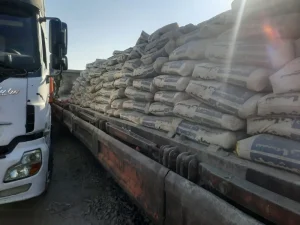
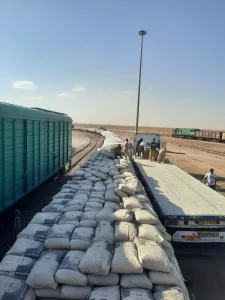
Mineral export is one of the most sensitive segments of the supply chain in the mining, steel, cement, and related industries. Contrary to common perception, the risks involved in this type of transportation are not limited solely to the route or the means of transport. From the loading stage to final unloading, a range of technical, operational, and financial risks exists which, if not properly managed, can lead to cargo breakage, quality degradation, cargo loss, and even contractual losses.
Risk management in mineral export refers to identifying vulnerable points and designing processes that reduce the likelihood of damage while ensuring operational stability. In this article, the most significant risks and practical methods for controlling them are examined based on hands-on experience and real-world operations.
The Nature of Risk in Mineral Export
Risk in mineral transportation is directly related to the type of material, its physical form (granular, powdered, or lump), moisture content, economic value, and sensitivity to impact or pressure. Materials such as concentrates, graded iron ore, or export-grade minerals each respond differently to vibration, compression, and environmental changes.
In many projects, a lack of proper understanding of the cargo’s physical behavior leads to incorrect decisions regarding packaging selection, transport equipment, or loading methods. This is where the hidden risks in mineral transportation begin to emerge and demonstrate their impact.
Understanding the inherent characteristics of the cargo and anticipating its behavior throughout the logistics process play a critical role in reducing uncertainties and controlling risks associated with mineral export.
Risk of Cargo Breakage and Fragmentation
One of the most common challenges in mineral export is the unintended breakage or fragmentation of the cargo. This issue is particularly critical for lump or granular materials, as changes in particle size can reduce the commercial value of the shipment.
The main factors contributing to this risk include:
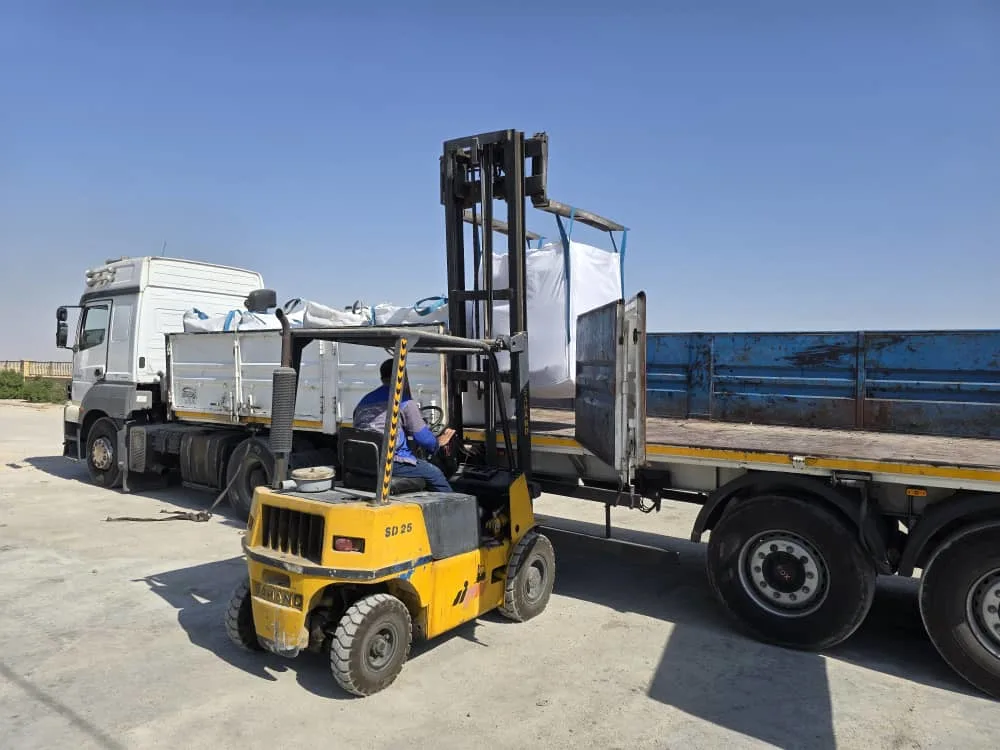
Improper loading with unsuitable equipment
Incorrect arrangement within wagons or trucks
Continuous vibration on long routes
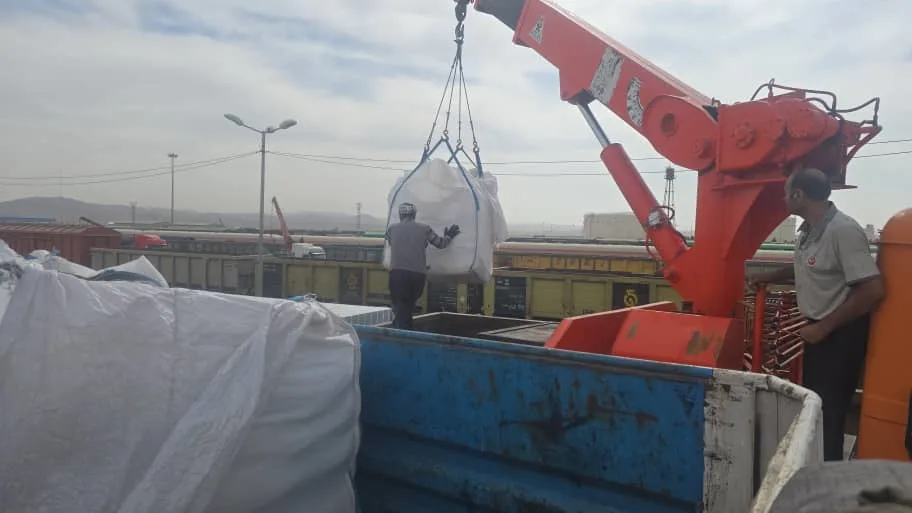
Free fall of the cargo from significant heights
Managing this risk requires establishing clear loading standards, limiting discharge height, and using shock absorbers or protective layers.
Practical Measures to Reduce Breakage in Mineral Transportation
To minimize the risk of cargo breakage and fragmentation in mineral transportation, professional companies follow specific loading standards, which include:
Controlling vibration on long routes through appropriate speed and suspension systems
Selecting suitable loading equipment to prevent particle damage
Controlling discharge height to avoid free fall of the cargo
Proper arrangement of the cargo in wagons or trucks according to weight and particle shape
Using shock absorbers and protective layers to absorb sudden impacts
Risk of Cargo Loss and Weight Reduction
Cargo loss in mineral export typically occurs gradually and is not immediately noticeable. Particle spillage, moisture penetration, leakage from packaging, or even wind losses on open routes are common reasons for reduced shipment weight.
In export projects, discrepancies between the delivered weight and the documented weight can lead to financial and legal disputes. Therefore, controlling cargo loss is one of the main pillars of risk management in mineral export.
The Role of Packaging in Risk Reduction
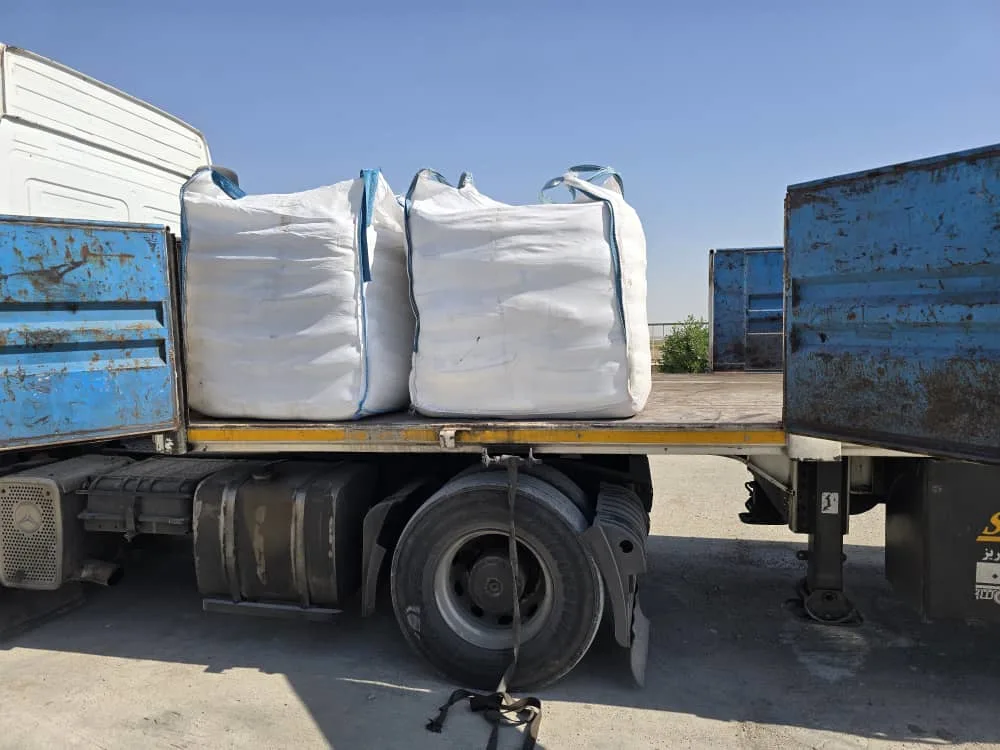
Packaging in mineral export is not just for aesthetics or organization; it serves as an important control tool. The choice of packaging type should be based on the physical characteristics of the material, the transport route, and the duration of transit.
For example:
Powdered materials require multi-layer, high-strength bags
Granular materials are best transported in reinforced big bags
Moisture-sensitive cargo should have waterproof protective layers
Ignoring these details significantly increases the risk of damage and loss.
Selecting the Appropriate Transport Method
One of the key decisions in mineral export is selecting the transport method. Trucks, rail wagons, or maritime shipping each have their own advantages and limitations. Choosing the wrong transport method can render all other control measures ineffective.
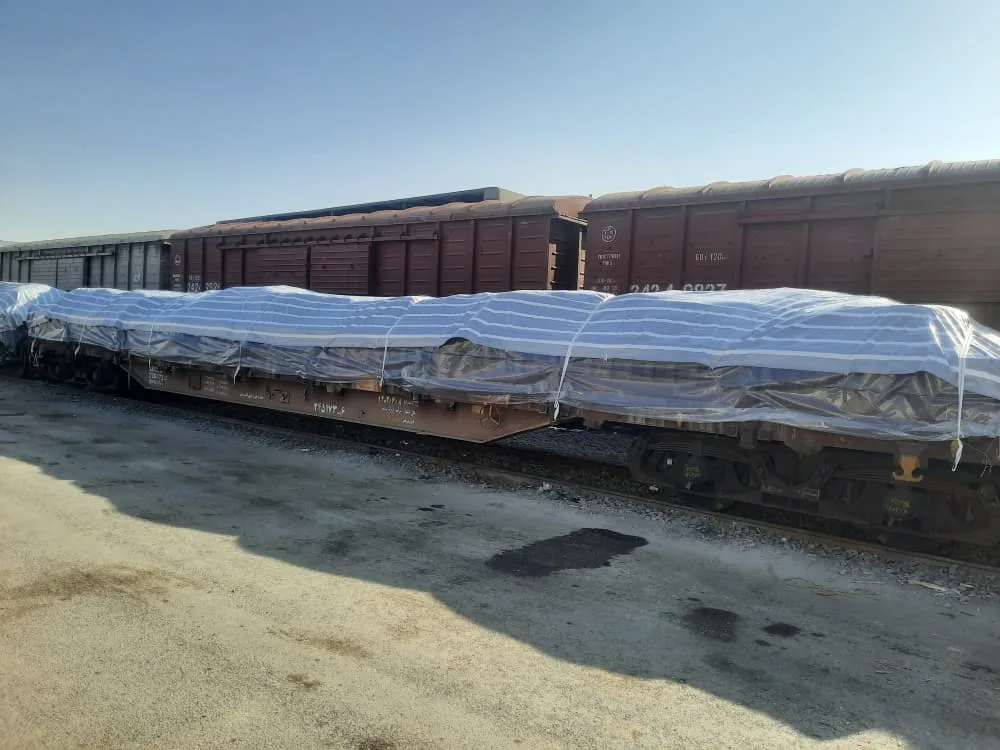
For long routes and high volumes, rail transport generally carries lower risks of breakage and cargo loss. In contrast, road transport is more flexible but requires stricter controls during loading and securing the cargo. In mineral export, ports and port infrastructure also play a critical role, as discussed in the article on the role of southern Iranian ports in international transportation.
Human and Operational Risks
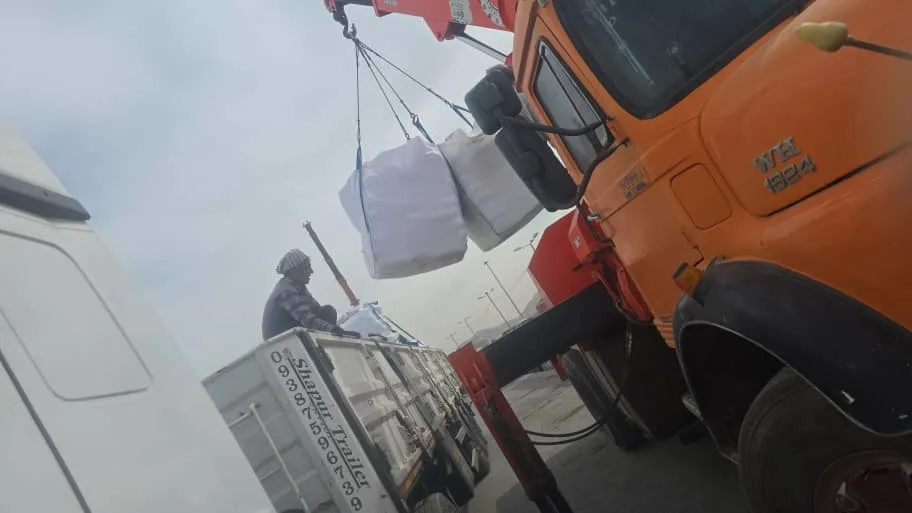
A significant portion of the risks in mineral transportation arises from human error. Inadequate operator training, failure to follow procedures, or rushing during loading operations can lead to substantial damage.
Companies that focus on risk management invest in personnel training, developing operational checklists, and continuous supervision. Experience has shown that reducing human error is one of the most cost-effective and efficient ways to mitigate risk.
The Importance of Documentation and Data Control
In mineral transportation, data plays a critical role. Recording weights at the origin, monitoring weight along the route, and reconciling it with the destination weight are important tools for identifying potential losses. The use of digital recording systems and regular reporting increases operational transparency.
Proper documentation also provides reliable legal support in case of disputes, thereby reducing financial risks.
Risk Management in Mineral Export Projects
In export operations, the sensitivity of mineral transportation increases significantly. International standards, buyer requirements, and insurance conditions all demand a higher level of precision. Even the smallest damage to the cargo can lead to shipment rejection or a reduction in the final selling price.
Under these circumstances, detailed route planning, selecting specialized logistics partners, and conducting multi-stage inspections of the cargo before dispatch are considered essential elements of risk management.
Conclusion
Mineral transportation is not a simple or repetitive process; rather, it consists of a series of technical and operational decisions, each of which can either create risk or help reduce it. Cargo breakage, weight loss, and quality degradation are often the result of neglecting execution details, not uncontrollable factors.
Risk management in mineral transportation means anticipation, prevention, and control. Companies and industry professionals who adopt this approach in their operations not only prevent direct losses but also ensure their commercial credibility and long-term sustainable profitability.