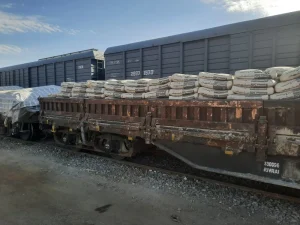
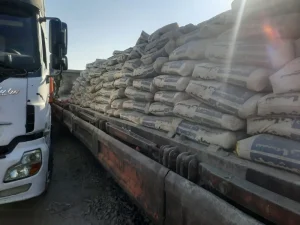
Logistics is considered one of the fundamental elements of supply chain management, shaping the performance of the entire network of supply and distribution of goods. In this complex structure, transportation acts as a vital factor, playing a significant role in moving goods and raw materials from origin to destination, and ensuring that this process is carried out at the lowest possible cost and within the shortest possible time.
Inefficient management of transportation can lead to delivery delays, increased operational costs, and reduced efficiency of the overall logistics processes. In this paper, we examine the position and importance of transportation as one of the key components of logistics, analyzing its role in optimizing the flow of goods, reducing costs, and enhancing the efficiency of the supply chain. We also discuss challenges, modern technologies, and improvement strategies for the performance of this logistics component.
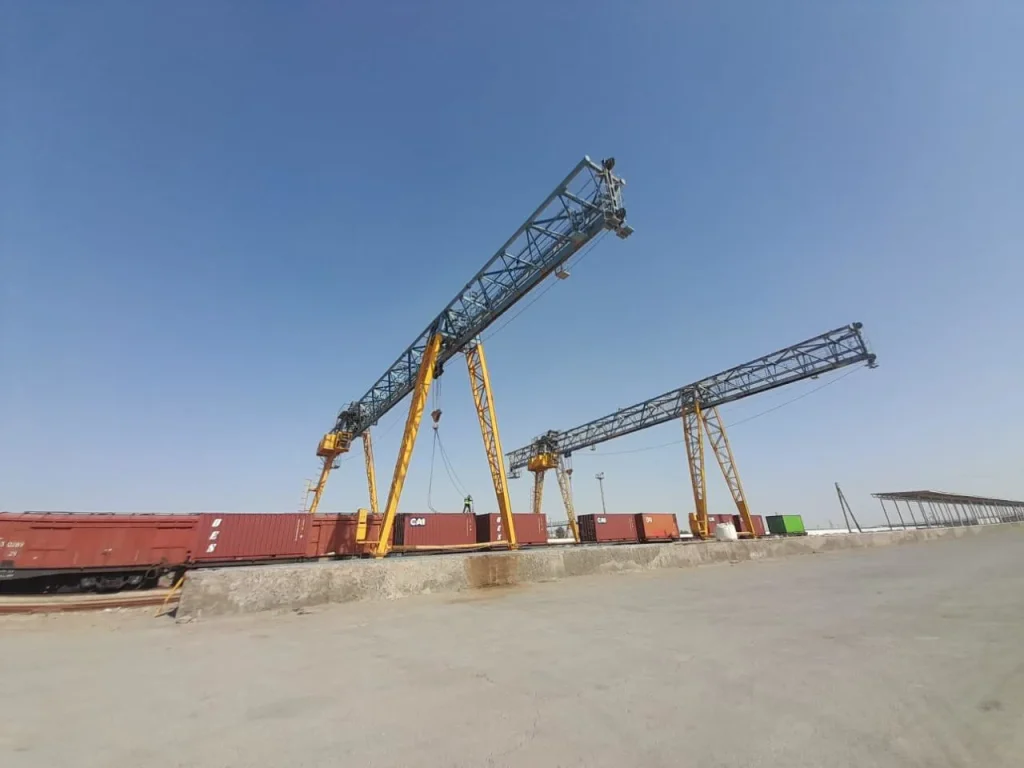
The Concept of Transportation in Logistics
Transportation refers to the movement of goods, products, and materials between different points of the supply chain. This subsystem includes various modes of transport such as road, rail, sea, and air, each with its own features, advantages, and limitations. The main objective of transportation in logistics is to reduce the time and cost of movement, increase reliability, and improve the quality of service.
In modern logistics, transportation is not merely a simple process of moving goods but rather a strategic activity that influences critical decisions such as route selection, choice of vehicle, delivery scheduling, and coordination with other parts of the supply chain.
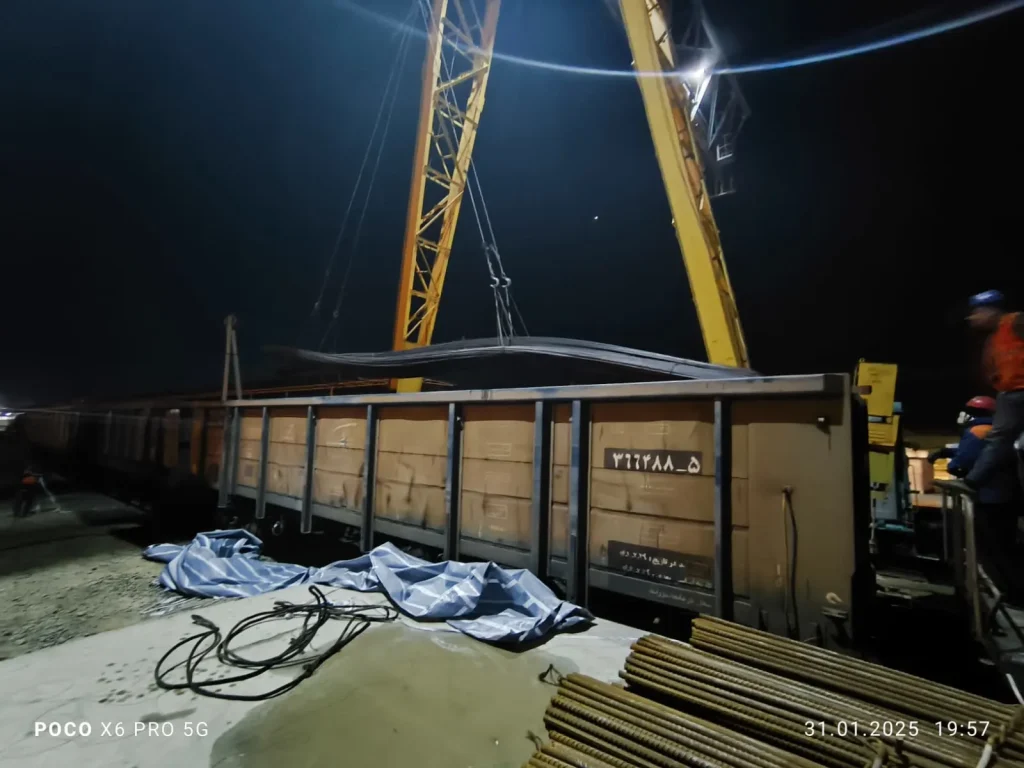
Transportation and Its Role in Logistics Optimization
Cost optimization:
Transportation is one of the most expensive parts of logistics. Proper management of this subsystem reduces operational, fuel, and vehicle maintenance costs. The use of modern technologies such as tracking systems and data analytics enables companies to select more efficient routes for goods transfer and reduce resource consumption.
Ensuring accurate scheduling:
Delivery time plays a crucial role in logistics success. Transportation, as a logistics subsystem, is essential for ensuring on-time delivery of goods. Proper planning of delivery schedules increases customer satisfaction and enhances supply chain efficiency.
Increasing flexibility:
Modern supply chains face market fluctuations and variable demand. Flexible transportation allows quick responses to demand changes, rerouting of shipments, or choosing alternative vehicles, thereby reducing the risk of delays and disruptions in logistics.
Preserving quality and safety of goods:
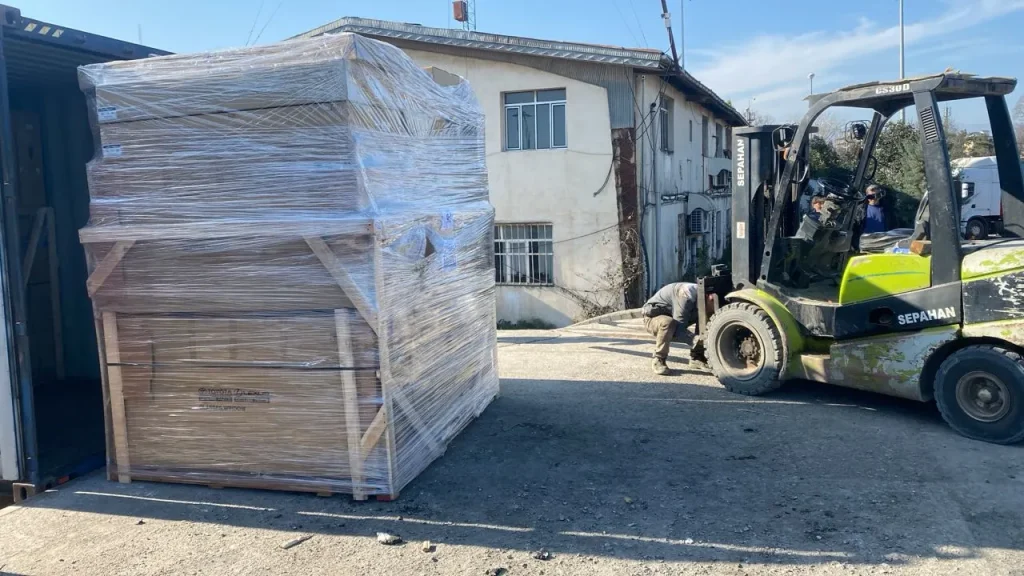
Proper transportation prevents damage to goods. Appropriate packaging, storage under optimal conditions, and the use of standard vehicles are highly important. This is especially critical in the transportation of dangerous goods, food products, or medical supplies.
Types of Transportation in Logistics
Transportation, as a logistics subsystem, includes several main types, each suitable for specific conditions:
- Road transportation: Use of trucks, trailers, and light vehicles for short- or medium-distance movements, with the main advantage of easy access and high flexibility.
- Rail transportation: Suitable for transferring large volumes of goods over long distances, with lower costs compared to road transport and appropriate for heavy cargo.
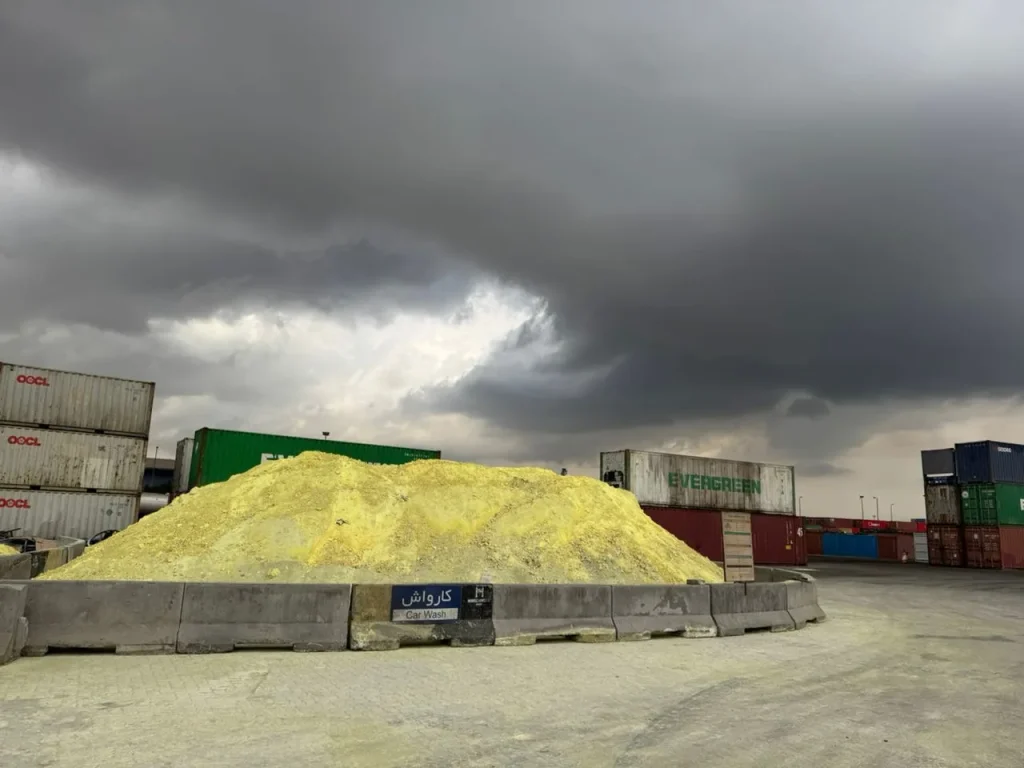
- Sea transportation: Use of ships for international and heavy cargo transfers, offering high capacity and lower costs but requiring longer time.
- Air transportation: The fastest method of cargo transfer, suitable for time-sensitive or high-value goods, though with higher costs.
The Role of Technology in Improving Transportation Performance
The application of modern technologies significantly increases the efficiency of transportation as a logistics subsystem. Transportation Management Systems (TMS), real-time tracking, data analytics, and automation are key tools for optimization.
Through technology, companies can optimize transport routes, achieve accurate scheduling, and reduce costs. Moreover, real-time tracking enables quick responses to potential issues and disruptions while ensuring cargo security.
Challenges of Transportation in Logistics
Despite numerous advantages, transportation as a logistics subsystem faces several challenges:
High operational costs: Fuel, maintenance, and staff expenses consume a large portion of the logistics budget.
Delivery delays: Traffic disruptions, weather conditions, or technical issues may cause transport delays.
Safety and cargo damage: Failure to comply with standards and insufficient management can result in financial loss and reduced customer satisfaction.
Environmental concerns: Excessive use of fossil fuels and unsustainable transportation contribute to air pollution and climate change.
Strategies for Optimizing Transportation in Logistics
Accurate route planning: Using algorithms and route optimization software to minimize time and costs.
Integration with warehousing and inventory management: Coordinating transportation with Warehouse Management Systems (WMS) and ERP improves inventory control and reduces delays.
Use of green and sustainable vehicles: Reducing fuel consumption and greenhouse gas emissions through electric or hybrid vehicles.
Human resource training: Enhancing staff skills and adhering to safety standards ensures transportation quality.
Conclusion
Transportation plays a vital role in the efficiency and success of the supply chain. Smart route management, adoption of advanced technologies, and coordination with other processes lead to cost reduction, faster delivery, and preservation of product quality.
The use of sustainable vehicles and compliance with environmental standards not only reduce ecological impacts but also strengthen customer trust and brand image. The success of modern logistics lies in the ability to combine innovation with transportation optimization.