Iran’s Southern Ports, as vital connection points between East and West, play a fundamental role in facilitating international trade. These ports are not only gateways for exports and imports but also serve as strategic hubs for the transit of goods between Central Asia, the Caucasus, and Europe.
For example, exporters using routes through Iran’s Southern Ports can reduce transportation time from 40 days to around 20 days and cut storage costs by up to 30%. Ports such as Bandar Abbas, Bushehr, and Chabahar, with an annual capacity of over 200 million tons, provide well-equipped infrastructure for rapid loading and unloading.
The ability to submit transit requests online, benefit from competitive tariffs, and access 24-hour services has significantly improved efficiency and cost savings. This article offers a practical guide to understanding and leveraging the capacity of Iran’s southern ports in global trade.
Initial Applications for New Entrants in the Field
New entrants in international trade can leverage the capacity of Iran’s southern ports to shorten their learning curve. Starting with small, trial shipments allows companies to realistically assess customs procedures, scheduling, and costs.
The ports’ digital tracking systems enable real-time monitoring of cargo status and issue automatic alerts in case of delays. In addition, the free consulting and training services offered at the ports help newcomers prepare trade documents such as invoices, certificates of origin, and insurance policies. These features make Iran’s southern ports a reliable entry point for entering the international trade arena.
Geographical Location and Applications
The strategic location of Iran’s southern ports, particularly Chabahar, which lies outside the Strait of Hormuz, gives them a vital role in maintaining the stability of transit routes. Direct access to the Arabian Sea and the Indian Ocean provides a strategic advantage for trade with India, Pakistan, and East African countries.
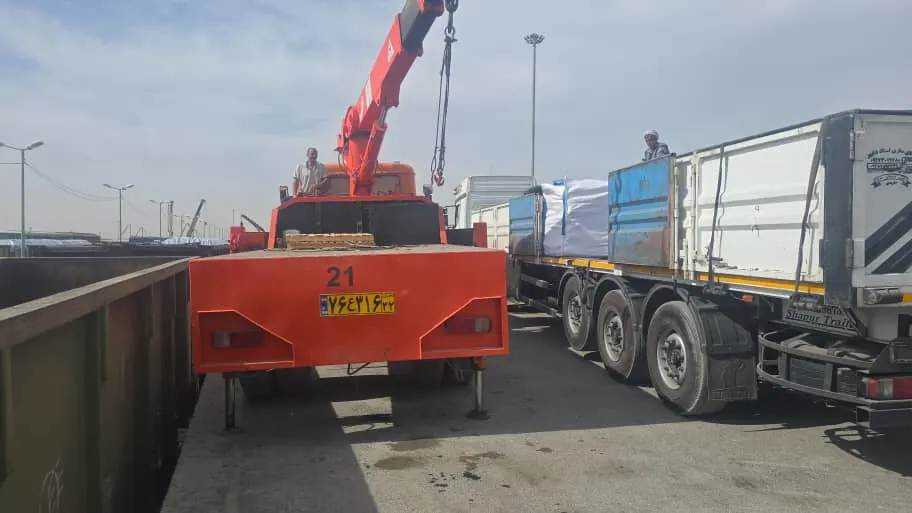
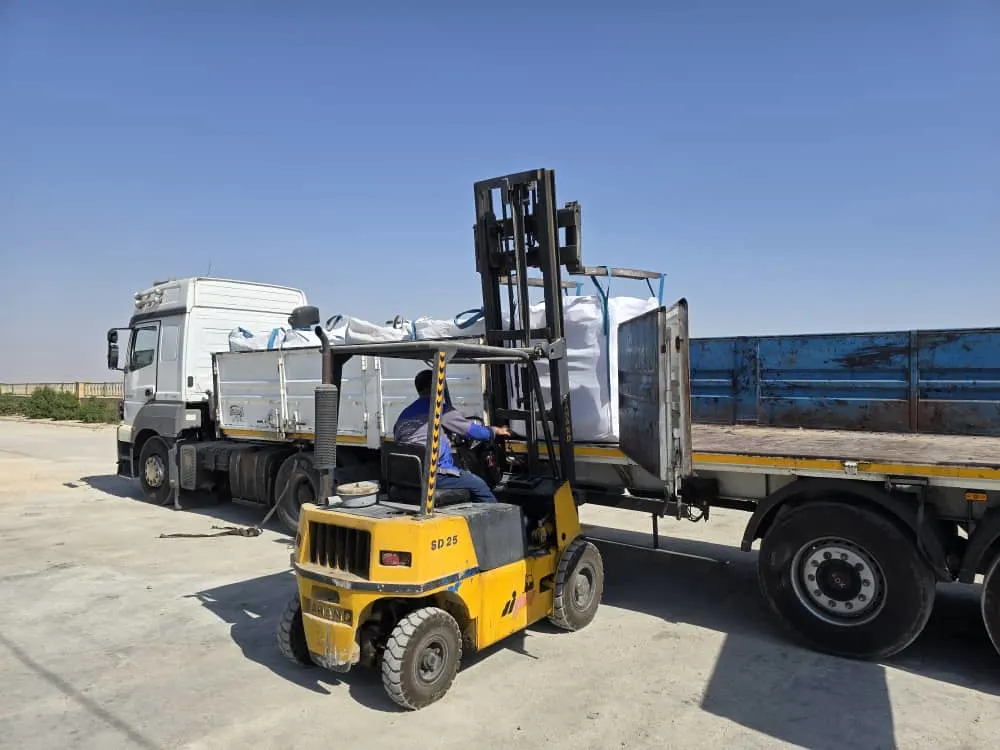
This geographical position allows for shorter and more cost-effective routes compared to competing regional ports. Additionally, the presence of cold storage facilities, modern loading equipment, and direct connections to the national rail network facilitates combined sea and land transport. These advantages make the southern ports highly efficient for transporting sensitive goods such as pharmaceuticals, fruits, and petrochemical products.
Connection to International Corridors
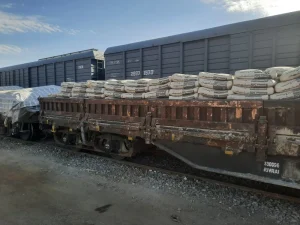
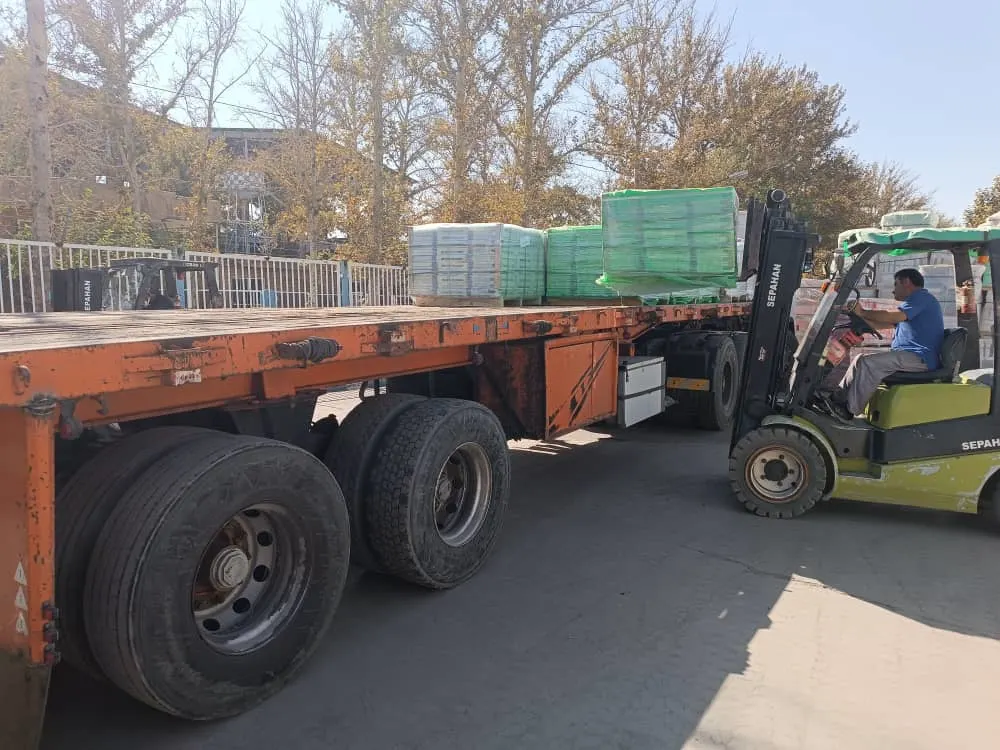
Iran’s southern ports serve as the starting point of the important North–South Corridor, linking the Persian Gulf to Russia and Europe. Shipping goods via this route, with electronic registration and rail connectivity, requires only 24 hours of preparation time. For heavy industries like tile and ceramics, using specialized wagons along this route can reduce transport costs by up to 25%.
Moreover, combining maritime and air transport along the East–West Corridor shortens delivery times and provides an optimal solution for high-value-added goods. Historical port data analysis also enables seasonal demand forecasting and more precise export planning.
Economic Role and Commercial Benefits
Iran’s southern ports handle millions of tons of cargo annually, contributing significantly to the country’s GDP and non-oil revenues. Exporters can leverage Iran’s strategic location as an intercontinental transit route to enhance their competitiveness.
Port operations generate extensive employment in loading, transportation, technical services, and customs. Additionally, financial facilities and export loans offered by the free trade zones facilitate private sector investment, promoting sustainable economic growth.
Non-Oil Trade Solutions
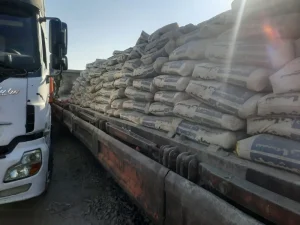
Developing non-oil exports is a top priority for the southern ports. Exports of dried fruits, agricultural products, construction materials, and industrial goods through these ports, with standardized packaging and adherence to international requirements, can be highly profitable. Cold storage facilities extend the shelf life of perishable goods by up to two weeks.
Using heavy-duty, secure containers also reduces the risk of damage to machinery and industrial equipment. Commercial data analysis from these ports helps companies identify demand patterns and optimize their export strategies.
Challenges and Solutions
Although Iran’s southern ports offer numerous advantages, they face challenges such as sanctions, regional competition, and environmental regulations. Effective strategies to address these issues include using alternative routes like Chabahar, collaborating with local partners, and employing green shipping vessels. Online berth reservation systems and precise loading schedules help prevent congestion and delays, boosting overall efficiency.
Development Opportunities and Emerging Technologies
Iran’s participation in China’s Belt and Road Initiative has created new opportunities to increase transit volumes through its southern ports. Implementing smart projects using the Internet of Things (IoT) and automated tracking systems has improved operational efficiency by up to 20%. Investments in digital equipment, smart cranes, and port management systems have also attracted foreign investors and facilitated further development.
Railway Development and Connectivity Projects
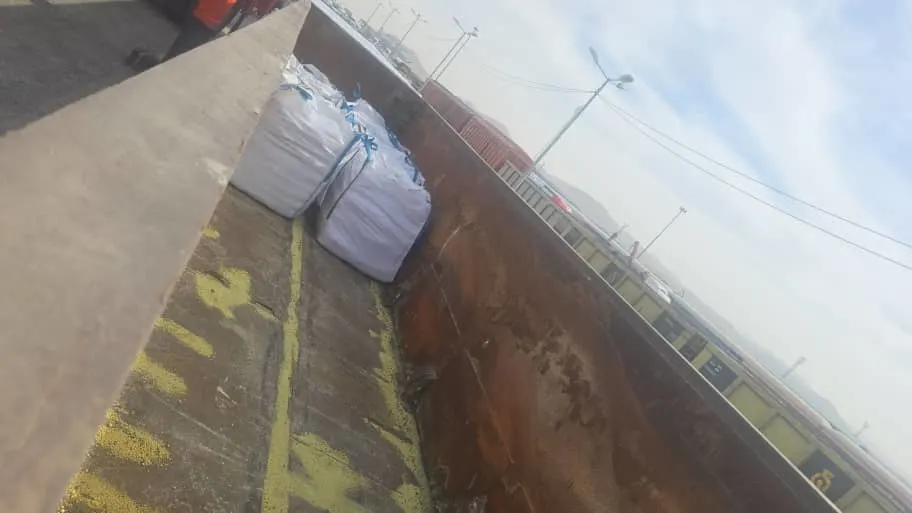
The railway connection between Iran’s southern ports and the northern part of the country has reduced cargo transit time to the Caspian Sea to less than 10 days. Increasing the depth of the berths allows large-capacity vessels to dock, significantly lowering the cost per ton of cargo.
Digitalizing processes and developing berth reservation apps help companies plan more efficiently. The development of Chabahar Port has also opened a direct route to India and Southeast Asia, strengthening Iran’s position in the global supply chain.
Operational Sustainability and Risk Management in Port Transportation
Sustainability in the maritime transport chain goes beyond physical security; it also encompasses operational continuity, risk management, and preparedness for unforeseen events.
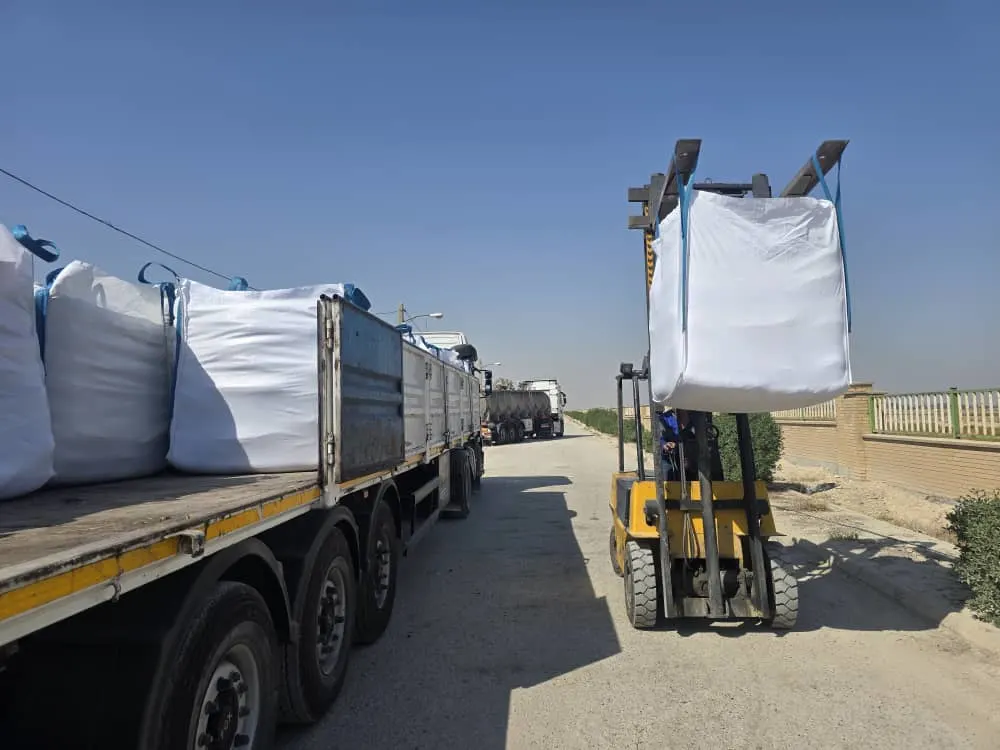
At Iran’s southern ports, implementing crisis management programs and preventive equipment maintenance has minimized disruptions caused by weather conditions or technical failures. Real-time monitoring systems for loading and unloading enable rapid response in emergencies.
Additionally, using data analytics to predict cargo congestion helps optimize berth capacity and reduce ship waiting times. In the financial risk domain, the development of data-driven insurance and digital contracts has lowered costs associated with delays or damages for cargo owners.
These measures not only ensure operational sustainability at Iran’s southern ports but also enhance international confidence in the country’s transit routes.
Conclusion
With their strategic geopolitical location, modern infrastructure, and advanced technologies, Iran’s southern ports serve as the backbone of the country’s international transit. Intelligent utilization of these ports’ capacities can foster sustainable growth, increase Iran’s share in global trade, and attract foreign investment.
What is being developed today in Iran’s southern ports is not just infrastructure—it is the foundation of a smart, secure, and competitive logistics system that will shape the future of Iran’s trade.