
International transport is the process of moving goods between different countries through three main methods: air, sea, and land. The best option depends on priorities such as cost, delivery time, cargo type, and geographic location. Each method has its own advantages and limitations for traders.
However, the key differences in safety, extra costs, and speed can make one method ideal for your cargo while another becomes unprofitable. Understanding the technical details of each route helps you reduce business risks and improve supply chain efficiency. In the following sections, we will explain the different methods of international transport in full.
Why Choosing the Right Method Matters in Global Logistics
In today’s trade environment, speed and cost are the two main factors behind success. If you deliver goods faster but shipping costs exceed your profit margin, you end up losing money. On the other hand, choosing the cheapest option with long transit times may result in missed market opportunities or damage to perishable goods.
To make a smart choice, you must first understand the nature of your cargo. High-value, low-volume goods are usually shipped differently from bulky and low-cost shipments. In addition, international trade rules and Incoterms define responsibilities in each shipping method and must be carefully considered.
Air Transport: The Fastest Option for Sensitive Cargo
Air transport is known as the fastest option in the supply chain. It is usually used for goods that have very high financial value or where time is critical. Electronic components, sensitive pharmaceuticals, precious metals, and commercial samples are among the most common cargo types in this method.
One of the biggest advantages of air transport is its high level of security against theft and damage. Strict airport controls and short transit time reduce the chance of unexpected incidents. Also, this method requires less warehousing because cargo is cleared and distributed soon after arrival.
Still, high cost is the main barrier to wide use. Pricing in air transport is based on volumetric weight, which makes it unsuitable for large and heavy shipments. There are also strict restrictions on moving certain goods, such as flammable materials or specific batteries, on passenger flights and even cargo flights.

Sea Transport: The Backbone of International Trade
More than 80% of global trade is carried out by sea. Sea transport is the best option for moving bulk cargo, raw materials, and large containers over long distances because of its high capacity and low cost. If time is not a major concern, sea shipping is usually the most economical solution.
This method offers a variety of container types, allowing almost any kind of cargo to be transported—from chemicals to vehicles and frozen food. At large scale, its shipping cost is so low that few methods can compete with it. That is why heavy industries depend heavily on this route.
The main weakness of sea transport is its low speed. Crossing oceans may take weeks or even months. Weather conditions and congestion at major ports can also delay schedules. Loading and unloading at ports involves administrative and customs complexities that require careful management.
Land Transport: Flexibility on Road and Rail Routes
Land transport, which includes road and rail shipping, is often used as a complement to other methods or for trade with neighboring countries. This method offers high flexibility because it provides door-to-door delivery, something that air and sea transport cannot always offer.
Road Transport
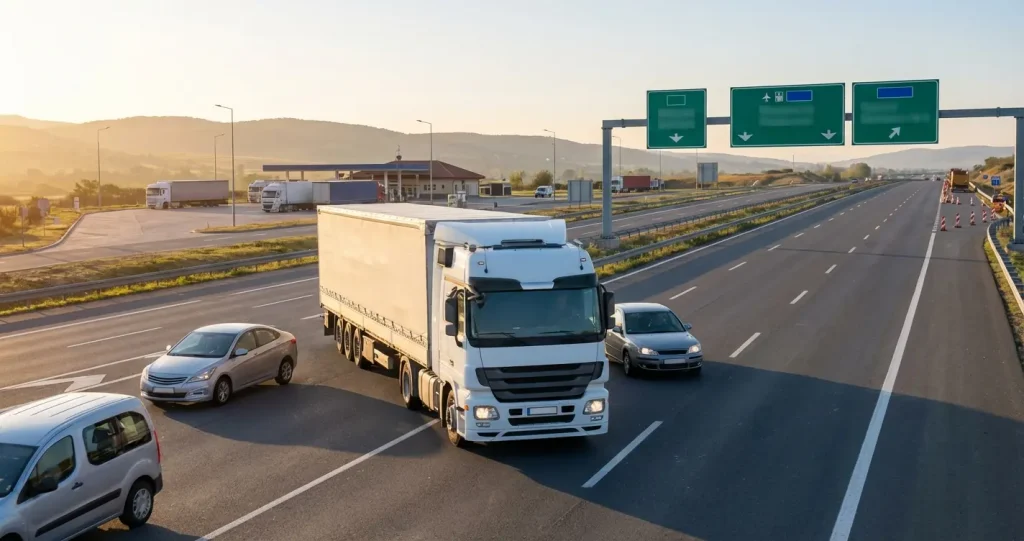
Trucks and trailers handle a large share of land logistics. This method is ideal for transporting goods over medium distances. Its advantages include flexible scheduling and real-time shipment tracking. Packaging costs are also usually lower than in sea transport.
Rail Transport
Freight trains are highly efficient for moving large volumes of goods over long inland routes. Rail transport is safer than road shipping and is less affected by weather conditions. It is also considered the cleanest inland transport method from an environmental perspective and is especially suitable for heavy cargo such as minerals.
A Complete Comparison of Key Transport Parameters
To better understand your options, it is important to compare the main characteristics side by side. The table below shows the most important decision-making factors so that the differences become clear.
| Comparison Criteria | Air Transport | Sea Transport | Land Transport |
|---|---|---|---|
| Delivery speed | Very fast (1–5 days) | Slow (15–60 days) | Moderate (3–15 days) |
| Shipping cost | Very expensive | Very cheap and economical | Moderate and competitive |
| Cargo capacity | Limited and weight-sensitive | Very high (large-scale) | High in rail transport |
| Cargo safety | Excellent | Good (risk of moisture) | Moderate (accident risk) |
| Accessibility | Only international airports | Only seaports | Door-to-door possible |
| Cargo type | High-value, low-volume goods | Bulk, heavy, and raw materials | Consumer and industrial goods |
This comparison shows that there is no absolute “best” method. The best choice depends on the project needs. For example, a modern supply chain may use a combination of several methods to deliver cargo to its final destination.
Factors That Affect the Final Shipping Cost
Many new traders assume that shipping cost is only the amount paid to the carrier. In reality, there are many hidden expenses in the process. Exchange rates, global fuel prices, and customs charges in the origin and destination countries directly affect the final price.
Insurance cost also differs by method. In air transport, the rate is usually lower because of higher security, while in sea transport, natural risks may increase insurance costs. Storage fees and demurrage charges can also put pressure on your budget if they are not managed properly.
Packaging is another important factor. Goods transported by sea need moisture-resistant and impact-resistant packaging due to ship movement and humidity. In air transport, lighter packaging can often be used because handling is gentler, which helps reduce total weight and therefore cost.

Smart Criteria for Choosing the Best Shipping Method
To make the final decision, you need a clear checklist. First, look at the delivery deadline. If late delivery leads to major penalties, air transport may be worth the higher cost. But if you are restocking inventory for next season, sea transport is often the best option.
The second factor is supply chain continuity. Sometimes political conditions or border restrictions force you to change your strategy. Having a backup plan—such as combining sea and rail transport—ensures that your cargo flow never stops. This approach, known as multimodal transport, is a modern solution to complex logistics challenges.
Finally, pay attention to legal restrictions. Some countries only allow certain goods to enter through specific points of entry. Before finalizing a purchase contract, it is wise to consult a logistics expert to understand the destination’s infrastructure. This helps prevent long cargo delays at customs and eliminates extra costs.
Read more: 4 Golden Rules of Customs Regulations | Key to Success in International Shipping
Final Notes on International Transport Management
Understanding the differences between air, sea, and land transport gives you better decision-making power in critical situations. Every business owner should know that lower cost does not always mean higher profit, and faster delivery does not always guarantee customer satisfaction. Balancing these factors is the key to successful global trade.
Using modern technologies for cargo tracking and working with reputable companies that offer financial transparency can significantly reduce your risks. Remember that logistics is a science, and managing it well can become a competitive advantage that sets your business apart. With careful planning and a full view of all conditions, you can deliver your cargo with the best quality, the lowest cost, and on time.

