
A heavy cargo loader is one of the key pieces of equipment in mining, road construction, civil engineering, and industrial projects. Due to its substantial weight, unique dimensions, and complex mechanical structure, transporting a heavy cargo loader requires specialized planning and precise logistical management. When a heavy cargo loader must cross international borders, the process of international transportation of heavy cargo loader becomes significantly more complex, involving not only technical considerations but also legal, customs, and transit requirements.
In the international transportation of heavy loader, the objective is not merely the relocation of a single machine. Rather, it involves coordination among the transportation company, the equipment owner, licensing authorities, insurance providers, and customs offices in all transit countries. Any oversight in documentation or operational details may result in border delays, increased costs, or even damage to the heavy cargo loader.
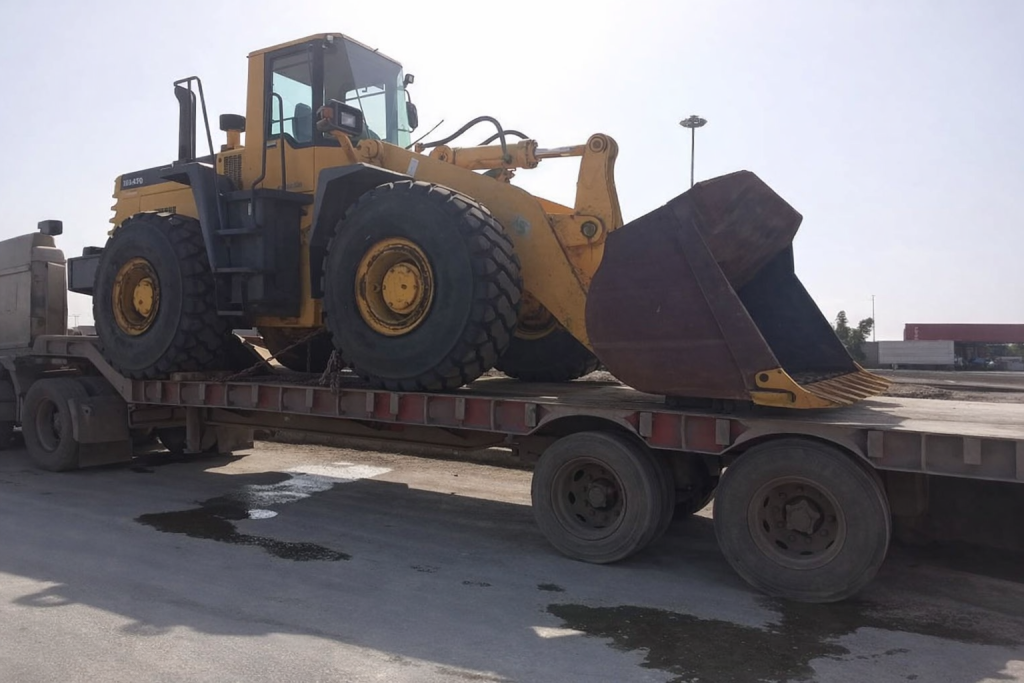
Technical Assessment of Heavy Cargo Loader Before Transport
Before initiating the international transportation of heavy cargo loader, a detailed technical evaluation of the equipment is essential. Operational weight, overall length, width, height, chassis type, number of axles, and center of gravity are all critical factors that determine the appropriate transport method.
Many heavy cargo loader models fall into the category of oversized or super-heavy cargo. In such cases, multi-axle low-bed trailers or specialized modular bogies are required. An incorrect transport selection may lead to uneven weight distribution and increased transit risks, especially along long international routes.
Selecting the Appropriate Transport Vehicle for Heavy Cargo Loader
One of the most critical stages in the international transportation of heavy loader is selecting the correct transport vehicle. In most cases, a multi-axle low-bed trailer is considered the optimal choice due to its ability to handle substantial weight and evenly distribute the load.
However, route conditions, bridge load limitations, tunnel clearances, and national transportation regulations may influence this decision. For example, certain European transit routes impose stricter axle load regulations, requiring additional evaluation before dispatching the heavy cargo loader.
Legal Requirements and Transit Permits
International transportation of heavy loader cannot proceed without obtaining the necessary permits. Each country has specific regulations regarding the movement of oversized and heavy loads, and special permits are typically issued based on total weight, height, and width of the shipment.
In some routes, police escort or warning vehicles are mandatory. Coordination with customs authorities in the origin country, transit countries, and destination is crucial to prevent unnecessary border stops. Any discrepancy between documentation and the actual specifications of the heavy loader can cause significant delays.

Safety Management in Heavy Cargo Loader Transport
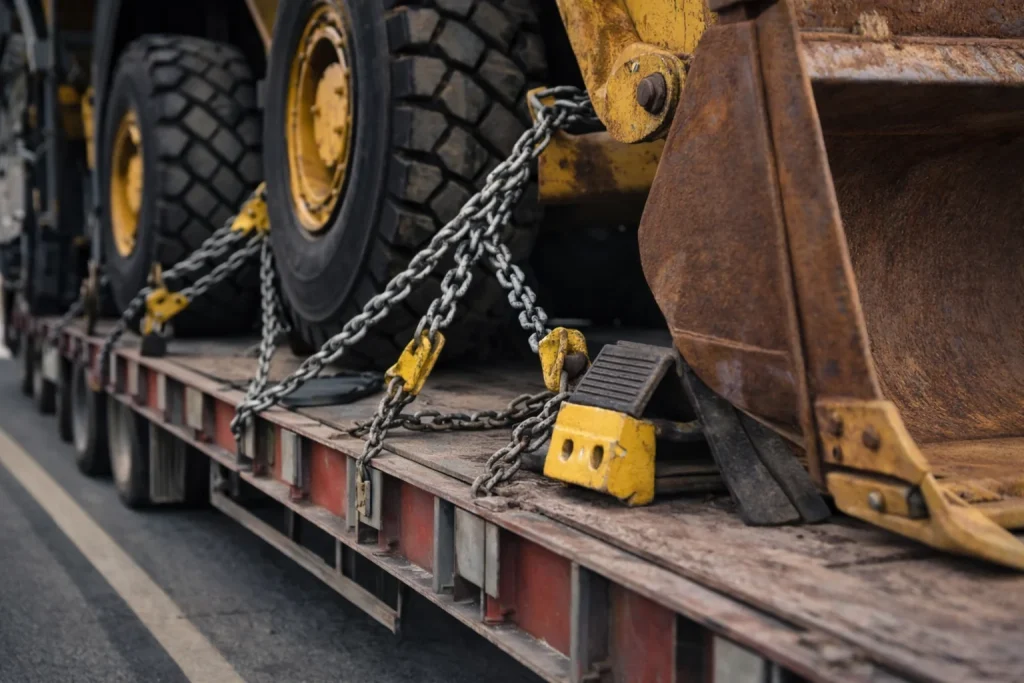
Due to its substantial weight and complex mechanical structure, a heavy cargo loader poses serious risks if improperly secured. The use of certified securing chains, axle locks, shock absorbers, and side stabilizers is essential during the transportation process.
Before departure, it is also necessary to inspect the trailer braking system, tire condition, and load distribution. Proper control of these elements reduces the risk of unexpected movement or structural damage to the heavy cargo loader during long-distance transit. In addition, hydraulic systems, suspension components, and coupling mechanisms between the tractor unit and trailer must be carefully examined to ensure operational stability.
Brake pressure levels, air lines, and emergency braking functions should be tested to confirm full responsiveness under load. Tire pressure and tread condition must match the total axle load to prevent overheating or blowouts during extended travel.
Equally important is verifying that the heavy cargo loader is properly secured using certified chains, tensioners, and locking systems that meet international safety standards. The center of gravity must be aligned correctly to prevent lateral shifting, particularly when navigating sharp turns, steep inclines, or uneven road surfaces.
A final pre-departure checklist, conducted by experienced transport personnel, ensures that all mechanical, structural, and safety parameters are within acceptable limits. This comprehensive inspection process significantly enhances transit safety and minimizes the likelihood of delays, equipment damage, or operational disruptions.
Route Analysis in International Transportation of Heavy Cargo Loader
Route planning is one of the most critical components of international transportation of heavy loader. Height restrictions on bridges, road width, slope gradients, and traffic limitation zones must be evaluated before dispatch.
In some cases, selecting a longer alternative route may provide higher safety standards and reduced operational risk for transporting the heavy loader. Accurate route analysis can prevent unforeseen stoppages and operational disruptions.
Insurance and Liability Coverage
Appropriate insurance coverage is essential in the international transportation of heavy loader. Given the high value of such equipment, insurance policies must align with the potential risks of the transit route.
Cargo insurance, carrier liability insurance, and potential border-related risk coverage should be finalized prior to operation. Selecting the correct insurance framework significantly reduces financial exposure during the transportation of heavy cargo loader.
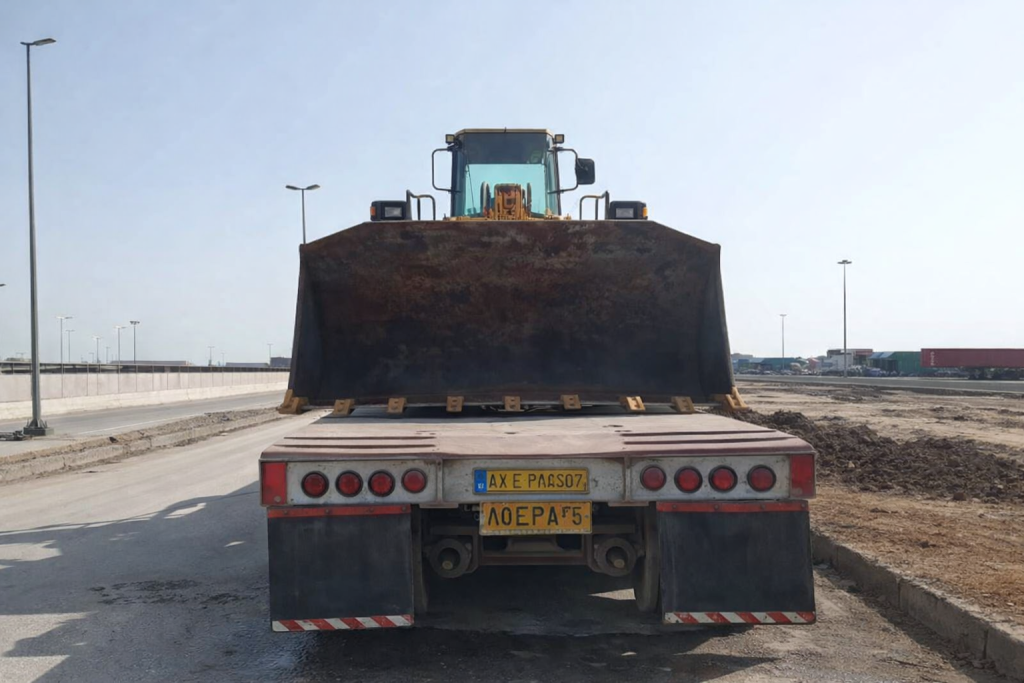
Factors Influencing the Cost of International Transportation of Heavy Cargo Loader
The cost of transporting a heavy loader depends on multiple variables, including travel distance, transport vehicle type, special permits, escort costs, road tolls, and unique route conditions.
As the dimensions and weight of the heavy cargo loader increase, logistical expenses rise accordingly. Additionally, waiting time for transit permit approvals can impact the overall cost structure.
Role of an International Transport Company in Heavy Cargo Loader Relocation
Cooperating with a specialized international transport company is the most important factor for successful heavy cargo loader relocation. Practical experience in similar projects, familiarity with international regulations, and the ability to manage route risks are critical in minimizing cost and time.
A professional company thoroughly reviews all technical, documentation, and operational aspects before dispatching the heavy cargo loader and prepares contingency scenarios for unforeseen circumstances.
Operational Coordination and Multi-Phase Project Management
In the international transportation of heavy loader, the role of the transport company extends beyond simply providing equipment. It involves managing a coordinated, multi-phase process. From initial loading to border crossings and final delivery, every stage must follow a precise timeline to prevent project disruption.
The international transport company coordinates technical teams, customs agents, permit authorities, and local representatives across transit countries to proactively identify risks. In heavy cargo loader relocation, this multi-layer coordination reduces unexpected delays, prevents cost escalation, and ensures equipment safety throughout the transit corridor.
Furthermore, professional companies implement tracking systems and maintain constant communication with drivers and operational teams to monitor the heavy cargo loader’s condition during transport. Continuous supervision enables rapid response to unforeseen situations and enhances reliability in international heavy cargo loader transportation.
Conclusion
International transportation of heavy cargo loader is a complex, multi-stage process requiring careful planning, legal compliance, appropriate transport selection, and strict safety standards. Neglecting any of these steps may result in financial loss or project delays.
Due to its high value and critical role in industrial projects, a heavy cargo loader must be transported by experienced and specialized international logistics companies. Proper management of this process not only reduces operational risks but also safeguards commercial credibility and project reliability.

