
Export of Goods through maritime transport is considered one of the primary methods of cargo movement in international trade. However, this mode of transport is consistently subject to a range of legal, technical, and operational restrictions. Failure to properly understand and address these requirements can lead to cargo detention, increased costs, or even the return of shipments from destination ports. Companies operating in maritime logistics, as well as professional exporters, are therefore required to carefully assess and manage these limitations before planning any shipment.
In many cases, the challenges of maritime transport do not stem from the route or the vessel itself, but rather from differences in international regulations, port requirements, and mandatory permits imposed by destination countries. Each port and jurisdiction applies its own framework for cargo acceptance, and non-compliance with these rules can expose the export process to significant risks, affecting both delivery timelines and overall shipment costs.

The Role of International Regulations in the Maritime Transport of Exported Goods
International regulations form the foundation of order in maritime transport and have a direct impact on the export of goods. International conventions—such as those governing maritime safety, marine environmental protection, and the responsibilities of carriers—establish frameworks that all stakeholders in this field are required to comply with. These regulations define which types of goods are permitted for transport, the required standards for packaging and labeling, and the documentation that must accompany each shipment.
In practice, aligning the export of goods with these regulations requires close coordination between the exporter, the transport company, and port authorities. Neglecting legal details may result in shipments being subject to prolonged inspections or even detention at the destination port. For this reason, maintaining up-to-date knowledge of international regulatory developments is considered a professional necessity for logistics companies operating in the maritime sector.
Legal Restrictions Related to the Type and Nature of Goods
One of the most significant limitations in the maritime transport of exported goods is directly related to the nature of the cargo itself. Certain goods are classified as dangerous, perishable, or subject to special restrictions, and their transportation is governed by more stringent regulations. These requirements may include specific conditions for packaging, storage, ventilation, and even designated transport routes.
At many destination ports, discrepancies between the declared cargo specifications and the shipping documents can result in delays in the clearance process. International transport companies are therefore required to review the legal restrictions associated with the export of goods prior to accepting a shipment and to inform clients of any potential requirements in order to prevent losses or operational disruptions.
The Importance of Permits in the Export of Goods Process
Permits represent one of the most sensitive aspects of the export of goods in maritime transport. Depending on the type of cargo and the destination country, such permits may be required at the country of origin, during transit, or at the destination port. While some permits are commercial in nature, others relate to health, safety, or environmental compliance.
In the absence of valid permits, or in cases where documentation is incomplete, cargo clearance at the destination port may not be possible—even if the maritime transport itself has been completed without issue. For this reason, professional logistics companies typically initiate the review of export-related permits well before loading begins, thereby minimizing potential risks.
Destination Port Requirements and Their Impact on Transit Time and Costs
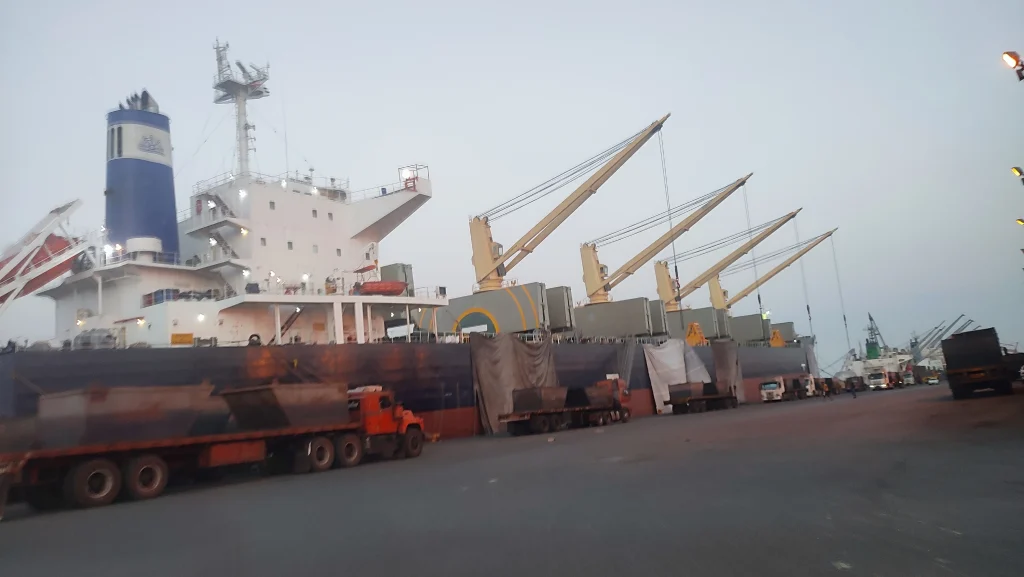
Each destination port operates under its own technical and operational requirements, which can directly affect the export of goods. These requirements include loading and unloading standards, port safety regulations, berth time restrictions, and even limitations on the types of equipment permitted for cargo handling. Variations in these regulations across different ports have made maritime transport planning a highly specialized process.
At certain ports, failure to comply with local requirements may result in penalties, increased storage costs, or delivery delays. Consequently, thorough knowledge of destination port regulations represents a significant competitive advantage for companies engaged in the export of goods.
Port Inspections and Controls at the Destination
Port inspections are an integral part of the maritime transport of exported goods. Such inspections may involve document verification, physical cargo checks, or confirmation that shipment specifications comply with declared regulations. The scope and intensity of these inspections vary by port and depend on several factors, including the type of cargo, the country of origin, and the exporter’s commercial track record.
Insufficient preparation for these inspections can lead to prolonged cargo holds at the port. For this reason, international logistics companies typically review all documentation and compliance requirements before the shipment arrives at the destination port, ensuring that the export of goods proceeds without disruption.
The Impact of Sanctions and Political Restrictions on Maritime Transport
On certain routes, political restrictions and international sanctions also serve as determining factors in the export of goods. These constraints may influence the selection of shipping lines, transit ports, and even the type of cargo insurance available. Under such conditions, maritime transport requires more detailed planning and the adoption of alternative routing strategies.
Experienced international transport companies continuously monitor political and legal developments in order to recommend routes that present the lowest risk for the export of goods and help prevent unexpected disruptions. In this context, understanding regional capacities and utilizing alternative ports plays a crucial role in maintaining cargo flow—a topic that is examined in practical terms in the article The Role of Southern Iranian Ports in International Transport.

Risk Management in Addressing Export of Goods Restrictions
Risk management is one of the core responsibilities of logistics companies operating in maritime transport. Identifying legal, permitting, and port-related restrictions prior to the commencement of shipment plays a critical role in reducing operational risks. This risk management process includes document verification, ensuring cargo compliance with applicable regulations, and coordination with local stakeholders at destination ports.
Ultimately, the higher the level of awareness and expertise in managing export of goods restrictions, the lower the likelihood of delays, penalties, and financial losses. For this reason, a professional and knowledge-based approach to maritime transport is regarded as a key factor in achieving success in international trade.
The Role of International Logistics Companies in Reducing Restrictions
In the maritime transport of exported goods, the role of international logistics companies extends well beyond the physical movement of cargo. Through in-depth knowledge of international regulations, destination port requirements, and permitting procedures, these companies are able to identify and mitigate operational risks before they arise. Practical experience in navigating port restrictions and evolving regulatory environments enables more accurate planning and minimizes disruptions across the supply chain.
Conclusion
Restrictions in maritime transport for the export of goods demonstrate that success in international trade is not solely dependent on the selection of transport routes or modes. Rather, a thorough understanding of international regulations, required permits, and destination port requirements plays a decisive role in risk reduction, cost control, and maintaining delivery schedules. A professional approach to maritime logistics is therefore a fundamental prerequisite for sustainable and reliable export operations.

