
Steel beam is one of the most essential steel products used in construction and industrial structures. It plays a key role in bearing heavy loads and ensuring the stability of buildings. Exporting this product provides valuable opportunities for countries like Iran to earn foreign currency and strengthen their presence in global markets.
This article explains, in both practical and professional terms, the stages, challenges, and key points of steel beam export.
Definition and Importance of Steel Beam in Export
A steel beam is a structural steel profile shaped like the letters H or I, designed to support heavy loads in construction and industrial projects. The global demand for steel beams is driven by their strength and quality, making them a critical export product that contributes to economic growth and industrial development.
To succeed in international markets, exporters must comply with global standards such as ASTM and EN. Neighboring and European countries are among the main buyers of Iranian steel construction beams, and maintaining competitive prices and high quality is the key to successful exports.
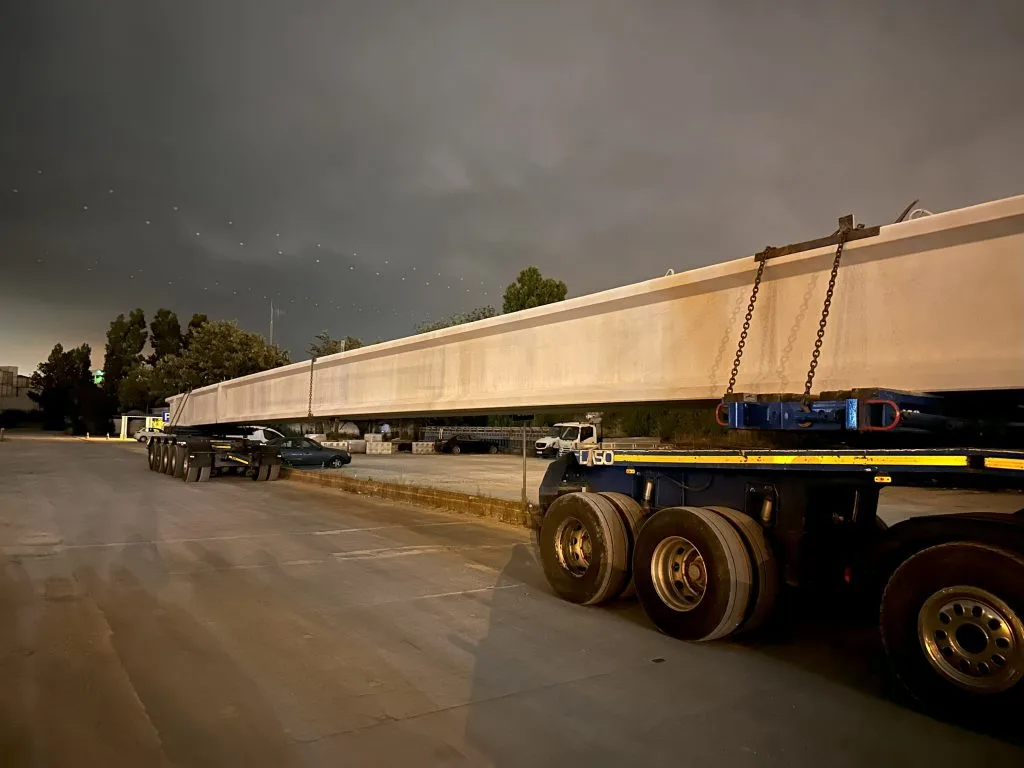
Market Research for Steel Beam Export
Market research is the first step in any export process and involves identifying target countries and assessing their demand. A precise analysis of global prices, competitor activity, and market conditions enables exporters to define an effective go-to-market strategy for their steel construction beam products.
For example, neighboring markets such as Pakistan and Afghanistan can be promising due to active infrastructure projects. Participating in international trade fairs and tender processes is an effective way to showcase product specifications and secure long-term supply contracts.
Production and Preparation of Steel Beams for Export
Producing steel beams for export requires strict adherence to dimensional tolerances and quality standards. Proper packaging and protection during transit are essential—beams are typically bundled in reinforced, corrosion-resistant packaging to prevent damage.
Quality control at this stage is critical: any defect may lead to rejection at the destination customs and significant financial loss. Implementing green manufacturing practices and environmental standards not only preserves product quality but also strengthens export competitiveness.
Export Licenses and Documentation for Steel Beams
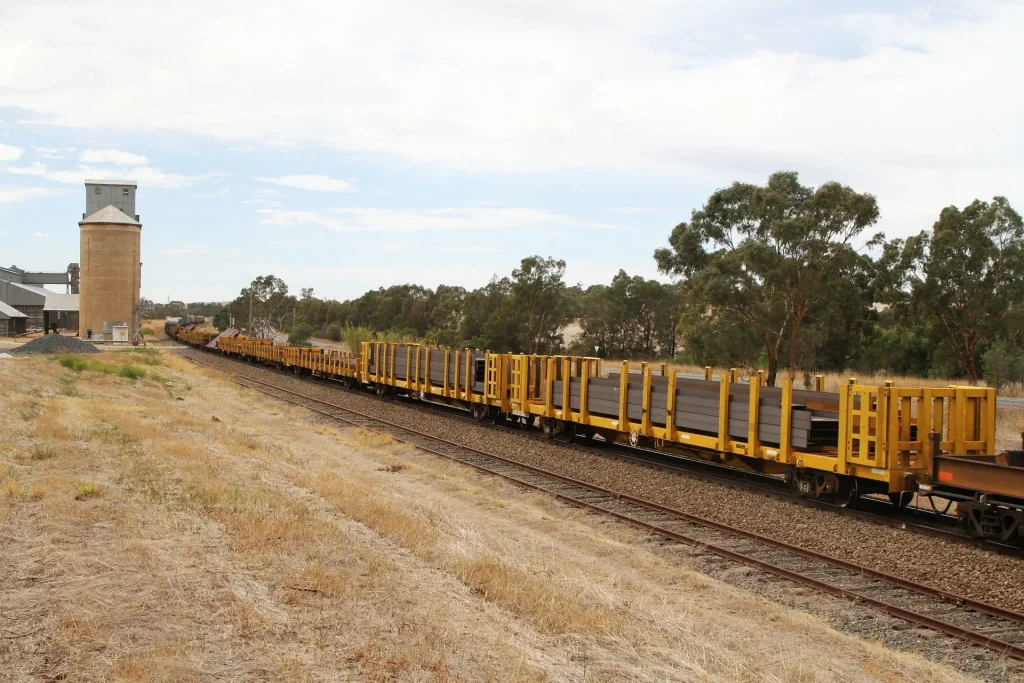
Exporters who intend to ship steel beams abroad must obtain official export authorization from the Ministry of Industry. The key documents include the commercial invoice, certificate of origin, quality certificate, and cargo insurance. Compliance with anti-dumping regulations is essential, as some countries impose additional tariffs on imported steel products.
Careful planning of the customs clearance process helps minimize delays and avoid potential complications. Choosing the right transportation method and working with experienced logistics companies play a crucial role in ensuring a smooth export operation.
Steel Beam Transportation Methods
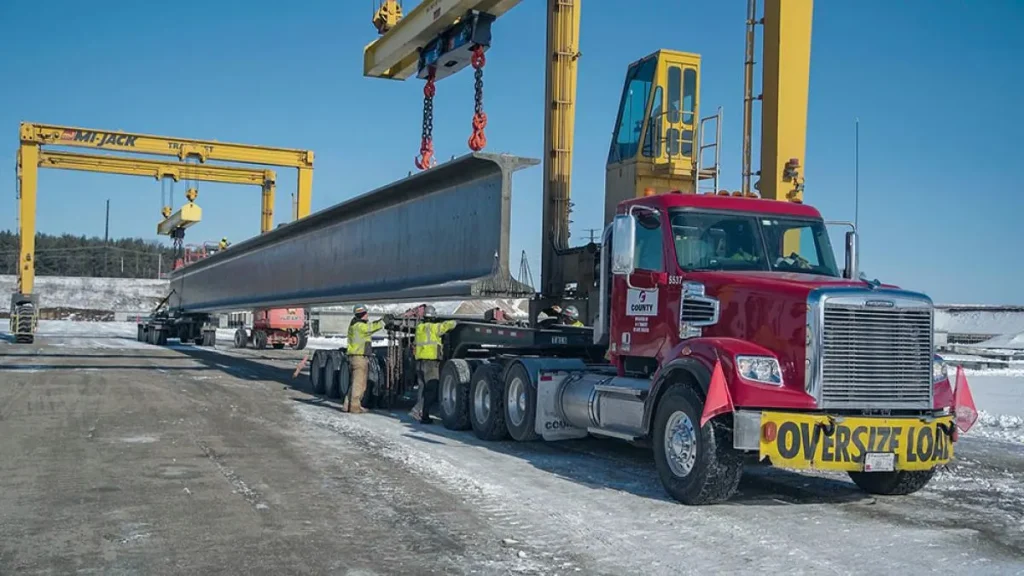
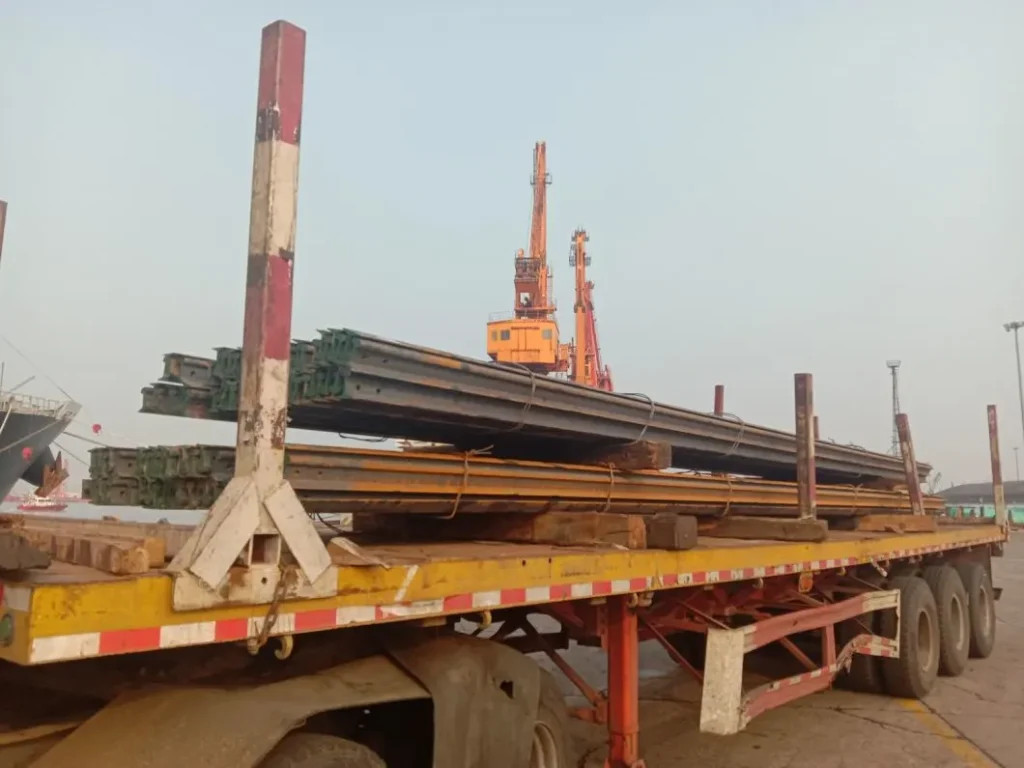
Transportation is one of the most critical stages of steel beam export, as the product’s high weight requires specialized handling. For long-distance shipments, sea freight is the most common method. Steel beams are securely packed in durable, rust-resistant containers to prevent damage during transit.
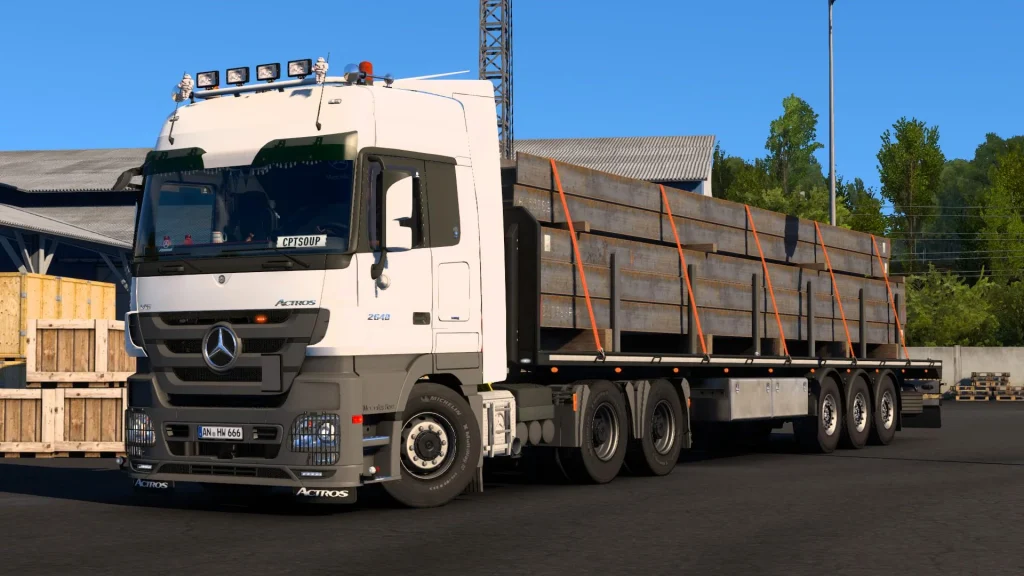
For nearby destinations, rail and road transport are more suitable options. Transporting by wagon offers higher safety and load capacity, while road transport provides greater flexibility in scheduling and delivery. Selecting the optimal transport mode depends on distance, cost, and delivery timelines.
Marketing and Sales of Steel Beams
Digital marketing plays a crucial role in helping exporters introduce their steel beam products to international markets. Creating detailed online catalogs, maintaining an active presence on social media, and using B2B platforms are among the most effective strategies for attracting potential buyers.
Participating in international trade fairs and tenders opens new sales opportunities. Offering high product quality, competitive pricing, and compliance with global standards are the key factors for success in target markets.
Steel Beam Pricing Strategies
Pricing for steel construction beam exports should be determined based on production costs, exchange rates, and competitor conditions. Currency fluctuations can directly impact profit margins, making proper financial management essential.
In some cases, offering bulk discounts or signing long-term contracts can help expand market share and secure loyal clients. Striking a balance between profitability and competitiveness is the core principle behind an effective steel beam pricing strategy.
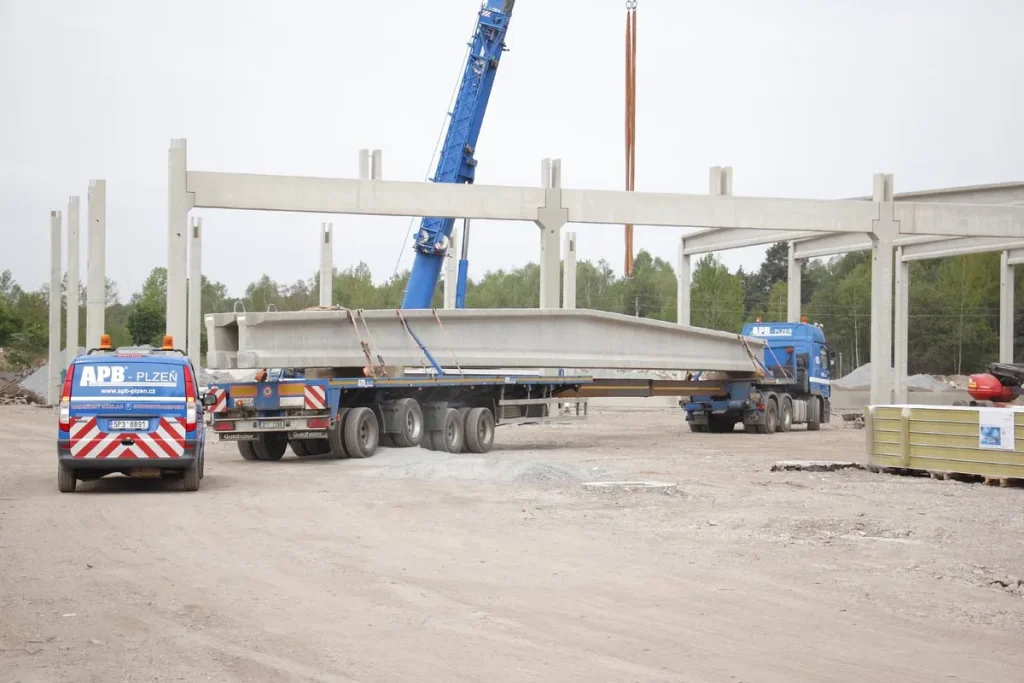
Challenges in Steel Beam Export
One of the major challenges in steel construction beam export is the impact of international sanctions and trade restrictions, which can complicate logistics and payment processes. Competition with low-cost producers, particularly from countries with cheaper labor and raw materials, also poses a significant barrier.
Adhering to environmental standards in the production and packaging of steel beams is increasingly important. Successful exporters prioritize product quality and adopt advanced technologies to reduce both operational costs and export-related risks.
Risk Management in Steel Construction beam Export
Using secure payment methods such as letters of credit (L/C) or guaranteed advance payments is one of the most effective ways to minimize financial risks in steel construction beam exports. Comprehensive cargo insurance further protects exporters against potential losses or damages during transportation.
Careful scheduling and collaboration with reputable logistics companies help prevent delays and customs complications. Effective risk management remains a cornerstone of sustainable success in international steel construction beam trade.
Benefits of Steel Beam Export
Exporting steel construction beams generates significant foreign currency income and contributes directly to national economic growth. It also supports job creation across the steel manufacturing and logistics sectors, strengthening the overall industrial ecosystem.
Beyond financial gain, steel construction beam exports enhance the international reputation of domestic producers and help build the global brand image of Iranian steel. Focusing on high product quality, innovative design, and compliance with global standards creates a long-term competitive advantage in the market.
The Future of Steel Beam Export
With the global rise in construction and infrastructure projects, the demand for steel beams continues to grow steadily. Exporters can expand their market share by introducing innovations in design and manufacturing — especially by producing customized steel beams with unique structural features.
Government support, such as export subsidies and tariff reductions through international trade agreements, also helps simplify and accelerate the export process. Considering the worldwide expansion of the construction industry, the future of steel beam export appears bright and full of opportunity.
The Role of Technology in Steel Beam Export
The use of supply chain management software and ERP systems significantly enhances the efficiency and transparency of the steel beam export process. Real-time shipment tracking through GPS allows exporters to monitor cargo movement and ensure on-time delivery.
Modern technologies in manufacturing, packaging, and transportation help reduce operational costs while improving safety and quality control. Companies that fully integrate technology into their export operations will achieve higher competitiveness in global markets.
Conclusion
Steel beam export is a strategic and practical process that begins with thorough market research, high-quality production, proper certification, and efficient transportation. Adherence to international standards and effective risk management ensure long-term export success.
Beyond generating foreign exchange, steel beam export contributes to job creation, strengthens domestic industries, and enhances the global reputation of national manufacturers. It represents a reliable pathway toward sustainable economic growth and industrial development.

