
Reverse logistics is a rapidly expanding and essential branch of supply chain management that focuses on the movement of goods from the end consumer back to the manufacturer or appropriate disposal facilities.
With growing consumer markets and heightened environmental awareness, reverse logistics has emerged as a vital element in achieving sustainable operations and responsible waste management.
In this article, we explore the core concept of reverse logistics, its applications in product returns and recycling, its technological integrations, and the key challenges faced by businesses in this field.
Understanding the Concept of Reverse Logistics
At its core, reverse logistics refers to all operations related to the reuse of products and materials. This includes the process of returning goods from their final destination back to their point of origin for the purpose of recapturing value or proper disposal.
Unlike traditional logistics that concentrate on delivering goods to customers, reverse logistics manages the entire return flow, including collection, sorting, transportation, refurbishing, recycling, and waste disposal.
Companies implement back-end logistics systems to handle defective items, excess inventory, reusable packaging, recyclable materials, and industrial waste. Effective reverse logistics not only contributes to cost savings but also promotes environmental responsibility by reducing the consumption of raw materials and lowering emissions.
Importance of Reverse Logistics in Managing Returned Goods
Product returns are a routine part of business operations. Customers may return items due to defects, dissatisfaction, incorrect orders, or expired usage. With a well-structured back-end logistics process, businesses can efficiently manage returns, minimize losses, and even turn returned items into revenue-generating assets.
Back-end logistics plays a critical role in reintroducing products into the supply chain, either through resale after repair or by recycling their components. By doing so, companies reduce waste and optimize material usage, leading to more efficient resource management.
Moreover, reverse logistics has a direct impact on customer satisfaction and brand reputation. Customers are more likely to remain loyal to brands that offer simple, reliable, and transparent return policies. A smooth reverse operations experience builds trust and boosts long-term customer retention.
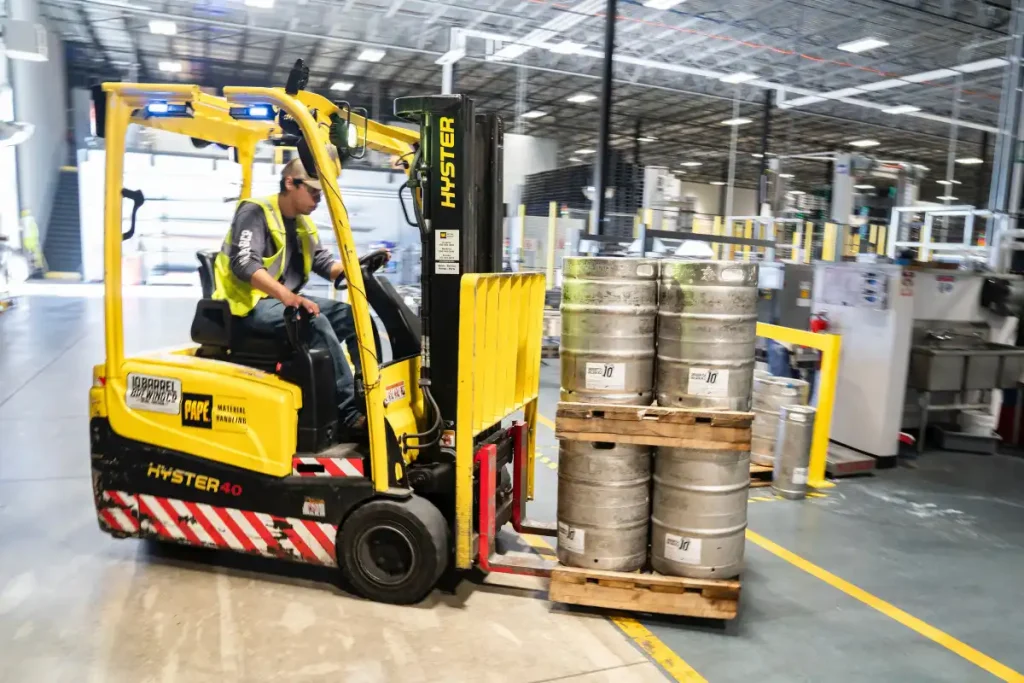
Core Stages in the Reverse Logistics Process
The reverse logistics cycle is composed of several key stages:
1. Collection of Returned Goods
This initial phase involves collecting products that have been returned by customers, retailers, or distributors. Efficient collection requires precise coordination with the distribution network to minimize delays and expenses.
2. Inspection and Evaluation
Once returned goods are collected, they are inspected to determine their condition. This assessment helps in deciding whether the product should be repaired, refurbished, recycled, or discarded. The evaluation process is essential in streamlining the next steps in the reverse operations chain.
3. Repair and Refurbishment
Items that are deemed repairable are processed internally or sent to specialized centers for refurbishment. These refurbished products can re-enter the sales cycle, reducing the need for new production.
4. Recycling
Products or parts that are beyond repair are sent to recycling facilities. Materials such as metals, plastics, and glass are extracted and reused in manufacturing, thus closing the loop within the reverse operations ecosystem.
5. Final Disposal
When a product cannot be reused or recycled, it must be disposed of in an environmentally responsible manner. Proper disposal prevents harmful materials from entering landfills and contributes to cleaner ecosystems. For more information about the transportation of hazardous goods and its types, click here.
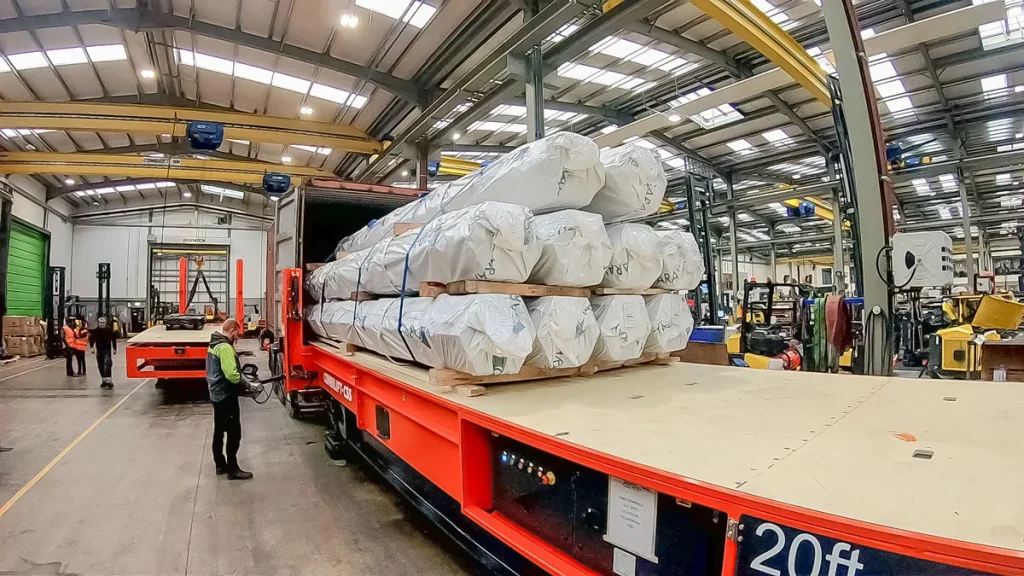
The Role of Technology in Reverse Logistics Efficiency
In recent years, technology has revolutionized how companies approach reverse logistics. Digital tools and intelligent systems have significantly improved the speed, accuracy, and transparency of return processes.
Modern back-end logistics relies on inventory management software, tracking systems, artificial intelligence (AI), and automation. For instance, real-time tracking allows companies to monitor each returned item from pickup to processing. AI-driven analytics help optimize routing, reduce shipping costs, and forecast return volumes more accurately.
These technological advancements are key to managing high volumes of returns, especially in e-commerce, where customer return rates are considerably higher than in traditional retail. Back-end logistics systems powered by smart technology are essential for reducing overhead and improving responsiveness.
Common Challenges in Reverse Logistics Operations
Despite its numerous benefits, reverse logistics presents several operational and strategic challenges:
High Costs of Reverse Transport
Transporting returned goods can be costlier and more complex than forward logistics, due to the unpredictable nature of return volumes and item conditions.
Poor Data Management
Many companies struggle with tracking returned goods accurately. Inadequate data systems result in inefficiencies, misplaced items, and delays in processing returns.
Unpredictable Quality of Returned Goods
Returns may be damaged or incomplete, which complicates refurbishment and resale. Dealing with low-quality items increases processing time and waste.
Environmental Risks
Improper disposal of non-recyclable materials can lead to serious environmental consequences. Reverse logistics requires strict compliance with environmental regulations and best practices.
Recycling as a Pillar of Reverse Logistics
Recycling is not just a supportive activity but a central pillar of effective reverse logistics. In today’s environmentally conscious world, recycling has become a necessity rather than a choice.
Through reverse logistics, companies can recover valuable materials from returned products, reducing the need for raw material extraction. This not only conserves natural resources but also cuts down on energy usage and greenhouse gas emissions. In effect, recycling within reverse logistics contributes directly to global sustainability goals.
Furthermore, recycled materials can either be reused internally in manufacturing or sold to other industries, generating additional revenue streams. In this way, reverse logistics becomes both an environmental and an economic asset.
Integrating Returns Management with WMS and ERP Systems
To achieve full efficiency in back-end logistics, companies must integrate their return processes with digital systems such as Warehouse Management Systems (WMS) and Enterprise Resource Planning (ERP).
A unified WMS-ERP infrastructure allows for real-time visibility into return inventories, streamlined decision-making, and accurate forecasting. For example, when a product is returned to a warehouse, data is instantly captured into the ERP system. This information enables quick actions, such as repair, recycling, or resale, based on analytics.
The integration also supports resource allocation, capacity planning, and inventory control. As back-end logistics becomes more complex, these systems ensure synchronization between departments and eliminate bottlenecks.
Blockchain for Transparency in Reverse Logistics
One of the latest breakthroughs in reverse logistics is the use of blockchain technology. Blockchain provides a tamper-proof and decentralized method of recording transactions and item history throughout the return journey.
In reverse operations, blockchain ensures the authenticity of returned goods and provides transparency for every stakeholder involved — from customers to suppliers. Each transaction, including time, location, and condition of goods, is securely recorded.
This level of transparency reduces the chances of fraud, improves traceability, and accelerates dispute resolution. Moreover, blockchain enables more effective recycling by validating the origin and composition of returned materials.
By incorporating blockchain into reverse logistics systems, companies can build stronger relationships with partners and customers while achieving regulatory compliance and operational excellence.
Conclusion
Reverse logistics is no longer an optional strategy — it is an operational imperative. As businesses strive to cut costs, satisfy customer expectations, and reduce environmental impact, reverse logistics offers a powerful solution.
Through strategic planning, investment in technology, and organizational collaboration, companies can transform reverse logistics into a competitive advantage. By rethinking how products are returned, reused, or recycled, businesses not only improve their bottom line but also contribute to a more sustainable future.
In the years ahead, the role of back-end logistics will continue to grow. Companies that prioritize and innovate in this area will be better equipped to navigate dynamic market demands, regulatory pressures, and global sustainability challenges.

