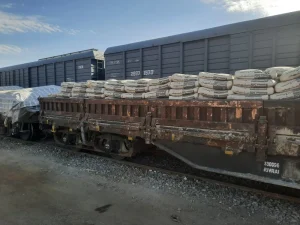
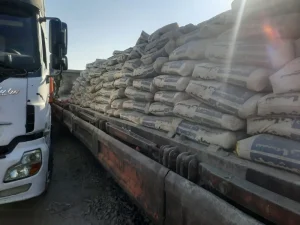
Intermodal transportation, known as one of the most efficient methods of moving goods, combines multiple modes such as road, rail, and sea. In this process, maintaining cargo safety and integrity becomes the main challenge, as frequent transfers between different vehicles can increase the risk of damage.
Cargo safety not only refers to preventing breakage or contamination, but also includes preserving the product’s quality, value, and security until it reaches its final destination. Due to the complexity of intermodal logistics, implementing guaranteed strategies to enhance security throughout the supply chain is essential to ensure complete cargo protection.
In this article, we examine five practical methods that can significantly improve cargo safety in intermodal transport. These approaches are based on international standards and real-world experience and can reduce damage-related costs. The core focus is on cargo protection, as any failure can disrupt the entire supply chain.
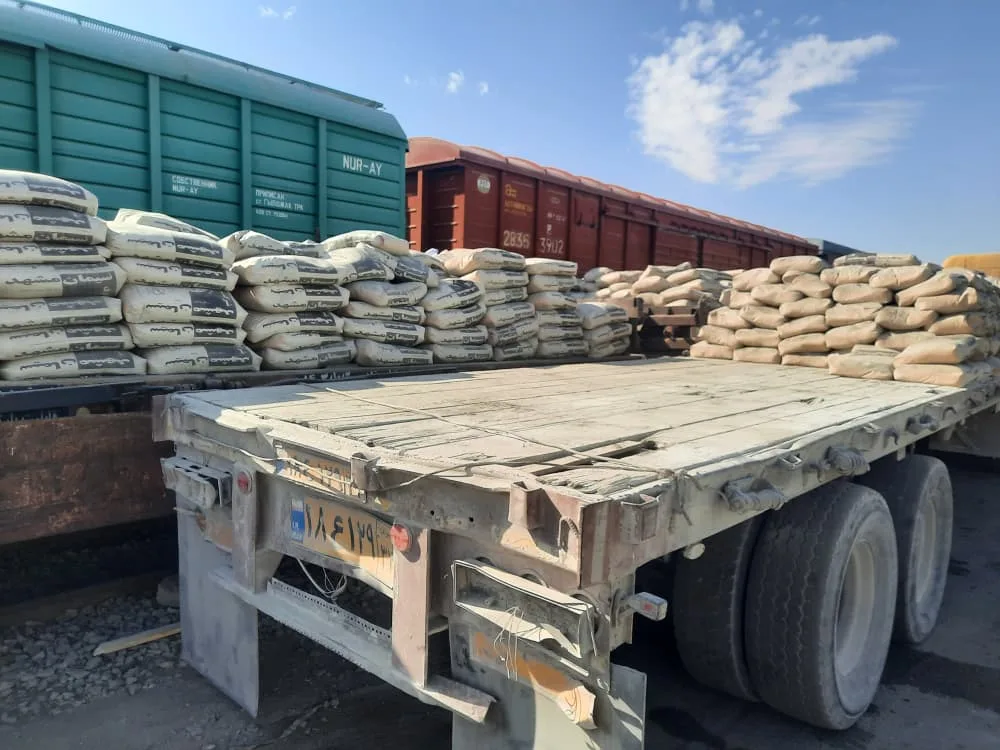
Professional and Durable Packaging to Ensure Cargo Safety
One of the fundamental ways to guarantee cargo protection in intermodal transportation is using professional-grade packaging. Proper packaging—such as multi-layer boxes or solid wooden pallets—can absorb shocks caused by transfers between vehicles.
For example, when goods are moved from a truck to a train, waterproof and shock-resistant packaging helps maintain cargo safety. The choice of packaging materials must match the type of cargo; fragile items require internal foam to protect them from vibrations.
Accurate labeling also reduces loading errors and enhances cargo protection . Transport companies can simulate real conditions to test packaging performance and ensure full protection during transit.
In addition to these advantages, this practice strengthens overall cargo security by creating a barrier that shields goods from environmental exposure, dust, and unwanted external contact. It ensures that products remain stable, intact, and fully protected from the point of departure to the final delivery, even when passing through multiple handling stages.
Moreover, allocating resources to high-quality, purpose-built packaging materials can significantly cut the likelihood of transit-related damage- reducing losses by as much as 50%- while also improving operational reliability and customer satisfaction.
Beyond reducing damage, well-engineered packaging also streamlines cargo handling by making units easier to stack, secure, and track throughout the logistics chain. Standardized shapes and reinforced structures help optimize space inside containers, lowering transportation costs and improving load efficiency.
Furthermore, modern packaging solutions can integrate features like tamper-evident seals or smart sensors, giving operators real-time insight into temperature, humidity, and potential impacts during transit. These innovations not only enhance visibility and control but also contribute to a more reliable and resilient intermodal supply process.
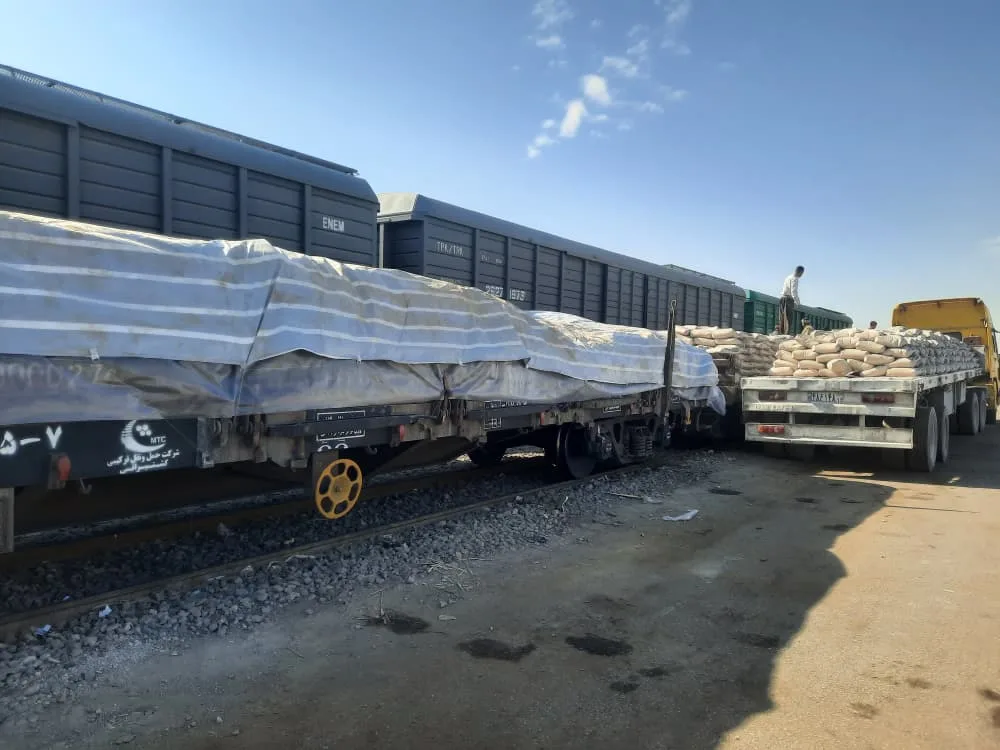
Detailed Route Planning and Selecting Proper Vehicles to Maintain Cargo Protection
Route planning plays a crucial role in maintaining cargo safety during intermodal transport. Choosing routes with fewer risks—such as avoiding mountainous or accident-prone roads—can significantly enhance cargo safety. For instance, when combining rail and road transportation, prioritizing smooth rail routes reduces vibrations.
Using mapping tools to predict weather conditions is essential to protect cargo safety against rain, heat, or strong winds.
Moreover, selecting vehicles equipped with advanced suspension systems ensures cargo safety against shocks. In intermodal transportation, accurate coordination between stages—such as transfers from ship to truck—reduces delays and prevents cargo deterioration. This approach especially benefits time-sensitive goods, minimizing spoilage.
By analyzing historical data, companies can choose optimal routes and keep cargo safety as a top priority throughout the entire journey.
Utilizing Tracking and Monitoring Technologies to Enhance Cargo Safety
Modern technologies such as GPS and smart sensors offer a guaranteed method for improving cargo safety in intermodal transport. Installing temperature and humidity sensors on packages allows real-time monitoring and immediate reporting of any deviations.
For example, in combined sea-rail transportation, IoT systems can record shocks or vibrations and help maintain cargo safety. Mobile tracking apps enable managers to check cargo location and take corrective actions instantly if necessary.
These technologies not only improve security but also prevent theft or intentional damage, ensuring full cargo safety.
Integrating tracking systems into the supply chain protects cargo safety from origin to destination. Even small investments in these tools can significantly reduce losses and increase cargo protection.
Comprehensive Insurance and Risk Management to Guarantee Cargo Safety
Cargo insurance is a guaranteed method for maintaining cargo protection in intermodal transport. Choosing an insurance policy that covers potential risks such as breakage or contamination ensures full protection.
Given the variety of risks in intermodal logistics, insurance coverage should include all transport stages. Pre-transport risk assessments—such as inspecting vehicle conditions—enhance cargo protection.
For example, insurance policies with continuous monitoring conditions provide extra protection against unexpected incidents. Companies can work with specialized insurers to develop policies that prioritize cargo safety.
This method not only compensates for damages but also encourages preventive measures, ultimately strengthening cargo protection within the supply chain.
Workforce Training and Compliance With Safety Standards
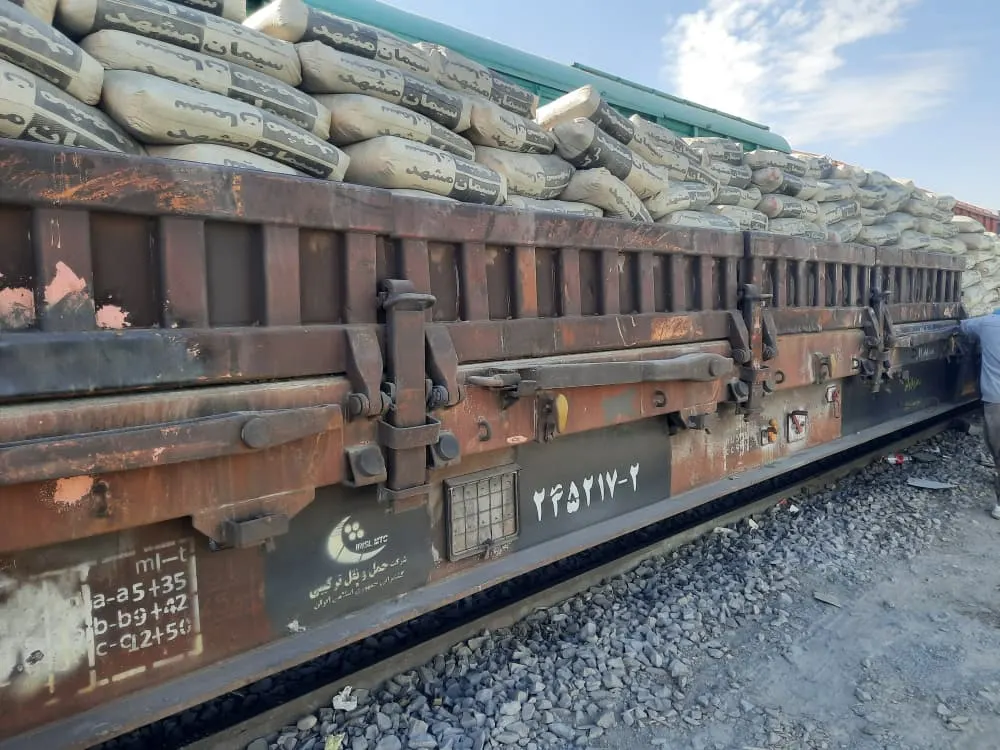
Workforce training is the final yet most important method for improving cargo protection in intermodal transport. Drivers and operators must receive specialized training on proper cargo handling to prevent damage.
For example, training on load securing during vehicle transfers protects cargo safety. Adhering to international standards such as ISO ensures maximum cargo protection.
In intermodal operations, daily checklists for equipment inspection help reduce risks and maintain high levels of cargo safety. Companies can organize regular workshops to update employee skills and ensure cargo protection remains a priority throughout the supply chain.
This human-centered strategy complements technological and structural methods and ensures consistent cargo protection from start to finish.
Conclusion
These five guaranteed methods can significantly enhance cargo safety in intermodal transportation. By implementing them, companies not only increase security but also reduce costs and boost customer satisfaction. Focusing on cargo safety is the key to long-term success in the logistics industry.